How to Stop White Smoke from Bike in 2026

White smoke from your bike’s exhaust isn’t just annoying—it can signal serious engine problems. This guide walks you through the most common causes and step-by-step fixes to get your ride running clean and quiet again. Whether it’s a blown head gasket or contaminated fuel, we’ve got you covered with 2026-ready solutions.
Introduction: Why Is Your Bike Blowing White Smoke?
Seeing white smoke puffing from your motorcycle’s exhaust can be alarming—especially if you’re cruising down the highway or warming up your bike on a cold morning. In 2026, with advanced engine designs and stricter emissions standards, understanding what causes this issue is more important than ever. White smoke isn’t normal under regular riding conditions, and it often points to an underlying mechanical problem that needs attention.
This guide will help you diagnose and fix the most common causes of white smoke from your bike. You’ll learn how to check for coolant leaks, identify fuel contamination, inspect critical engine components, and when to seek professional help. By the end, you’ll have a clear action plan to stop that unwanted smoke and keep your motorcycle running smoothly.
Step 1: Identify the Type of White Smoke
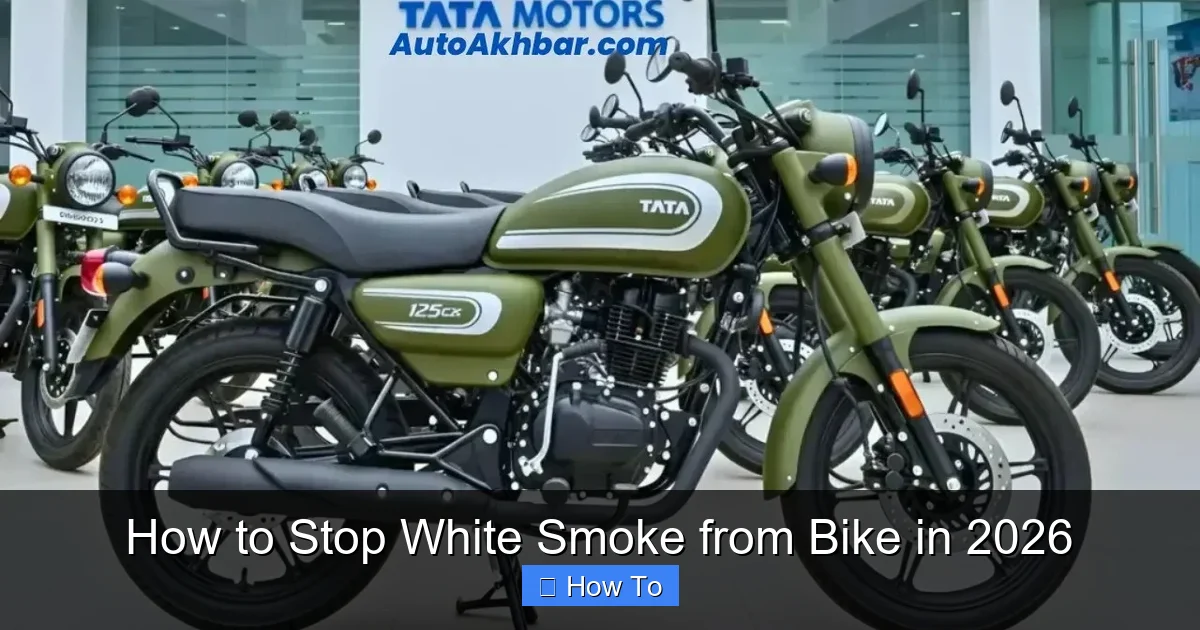
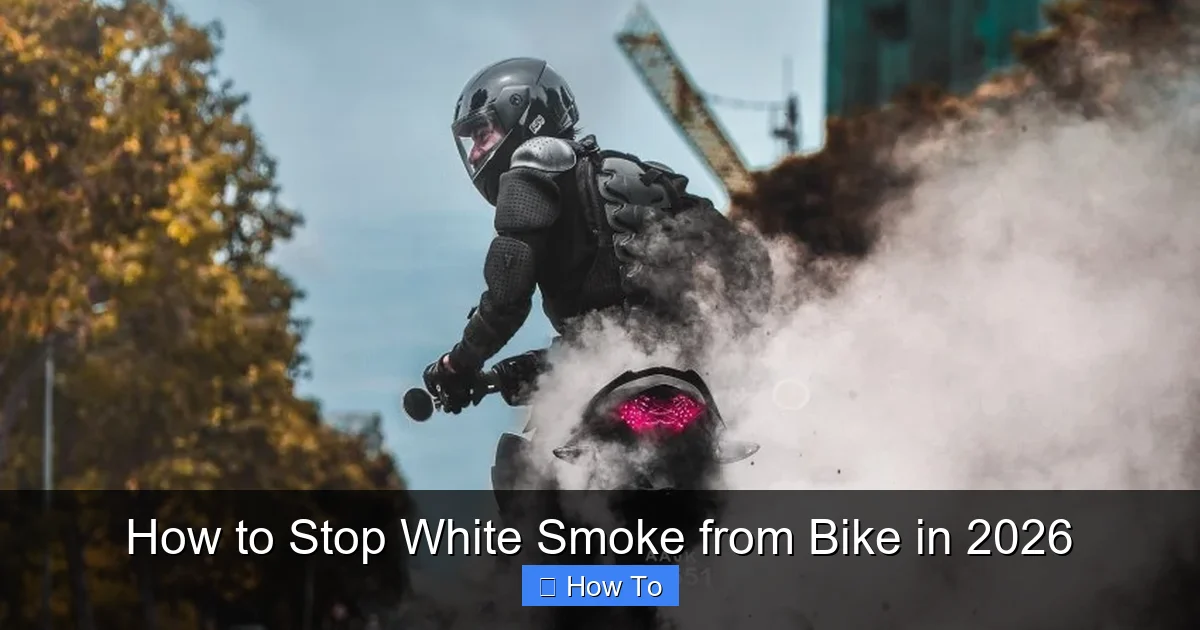
Visual guide about How to Stop White Smoke from Bike in 2026
Image source: afpt.co.in
Not all white smoke is the same. The key is to observe when and how it appears.
Cold-Start Smoke (Normal)
If you see thin, wispy white smoke only during the first few minutes after starting your bike in cool weather, it’s likely just condensation burning off. This is normal and harmless—especially on humid or rainy days. It should clear up within 2–3 minutes of idling or riding.
Persistent or Thick White Smoke (Problematic)
If the smoke continues after the engine warms up, appears thick like steam, or has a sweet smell, that’s a warning sign. This usually means coolant is entering the combustion chamber and burning alongside fuel. The sweet odor comes from ethylene glycol in antifreeze.
> 💡 **Pro Tip**: Compare the smoke to steam from a kettle. If it lingers and doesn’t dissipate quickly, it’s likely not just water vapor.
Step 2: Check Coolant and Oil Levels
Visual guide about How to Stop White Smoke from Bike in 2026
Image source: toppng.com
Coolant loss without visible leaks is a major clue.
Inspect the Coolant Reservoir
Locate your coolant overflow tank (usually translucent with “MIN” and “MAX” markings). If the level drops significantly between rides—and you don’t see puddles under your bike—coolant may be leaking internally.
Examine the Engine Oil
Remove the dipstick or check the sight glass. Healthy oil should be amber or light brown. If it looks milky, frothy, or like chocolate milk, coolant is mixing with oil—a sign of a blown head gasket or cracked cylinder head.
> 🔧 **Action Step**: If you suspect coolant in oil, don’t ride the bike. Continued operation can warp engine components.
Step 3: Inspect the Head Gasket
The head gasket seals the cylinder head to the engine block. If it fails, coolant can seep into combustion chambers.
Look for External Leaks
Check around the cylinder head for crusty white or green residue—mineral deposits from dried coolant. Use a flashlight and inspect carefully, especially near bolt holes.
Perform a Compression Test
A compression test compares pressure across cylinders. Low compression in one cylinder—especially if it improves when the engine is warm—can indicate a blown head gasket. You’ll need a compression tester kit (available at auto parts stores).
> 📌 **Note**: Some modern bikes require specialized tools. Refer to your owner’s manual or visit our guide on how to check motorcycle oil level with dipstick for related maintenance tips.
Step 4: Rule Out Fuel Contamination
Water or low-quality fuel can also produce white smoke.
Check for Water in the Fuel Tank
Water is heavier than gasoline and settles at the bottom. If you recently filled up at a questionable station or left your bike in the rain, moisture may have entered the tank.
Use a Fuel Additive
Add a water-removing fuel treatment like HEET or ISO-HEET to your tank. These products absorb moisture and allow it to burn safely. For best results, use one bottle per 10–15 gallons of fuel.
> ✅ **Recommended**: Our article on the best additive to remove water from gas tank reviews top-rated options for 2026.
Step 5: Examine Spark Plugs
Spark plugs tell a story about what’s happening inside your engine.
Remove and Inspect Each Plug
Unscrew the spark plugs using a proper socket. Look for:
– **White, blistered, or steam-cleaned electrodes**: Indicates coolant burning.
– **Wet plugs with a sweet smell**: Confirms coolant presence.
– **Normal tan or gray deposits**: Suggests clean combustion.
> 🛠️ **Tip**: Replace all spark plugs if one shows signs of coolant exposure—don’t just replace the affected one.
Step 6: Consider Engine Block or Cylinder Head Cracks
In severe cases, overheating can crack the engine block or cylinder head—especially in air-cooled bikes or older models.
Watch for Overheating Signs
If your bike frequently overheats, runs rough, or loses power, internal cracks may be allowing coolant into combustion chambers. This requires professional diagnosis, often involving a leak-down test or dye penetrant inspection.
> ⚠️ **Warning**: Riding with a cracked engine can cause catastrophic failure. If you suspect this, stop riding immediately.
Step 7: Address Fuel System Issues (Modern Bikes)
In 2026, many motorcycles use advanced fuel injection systems. A faulty injector or sensor can cause improper fuel mixture, leading to incomplete combustion and white smoke.
Scan for Error Codes
Use an OBD2 scanner compatible with motorcycles to check for trouble codes. Look for P0171 (lean mixture) or P0300 (random misfire), which may point to injector or oxygen sensor problems.
Clean or Replace Fuel Injectors
Over time, injectors can clog with carbon deposits. Use a quality fuel injector cleaner or have them professionally cleaned. For detailed steps, see our guide on how to clean motorcycle fuel injectors.
Troubleshooting Common Scenarios
Still stumped? Here’s how to match symptoms to solutions:
- White smoke + sweet smell + milky oil → Blown head gasket or cracked head.
- White smoke only when accelerating → Possible valve seal leak (more common in high-mileage bikes).
- White smoke after refueling → Contaminated fuel—drain tank and refill with premium gas.
- Intermittent smoke with no other symptoms → Could be minor condensation—monitor for a few rides.
> 📚 **Related Reading**: Learn more about underlying causes in our detailed post: Why White Smoke From Bike Exhaust – Fixes and Solutions.
Prevention Tips for 2026 and Beyond
Stop white smoke before it starts with these habits:
– Use high-quality coolant and change it every 2 years.
– Avoid over-revving a cold engine.
– Store your bike in a dry, covered area to prevent moisture buildup.
– Stick to reputable fuel stations.
– Perform regular oil and filter changes.
Conclusion: Don’t Ignore the Smoke
White smoke from your bike is rarely harmless—especially if it persists. In 2026, with tighter emissions controls and more complex engines, early detection is key to avoiding expensive repairs. By following this guide, you’ve learned how to diagnose coolant leaks, check for fuel contamination, inspect spark plugs, and when to call a mechanic.
Remember: a small fix today can save your engine tomorrow. Stay proactive, keep your maintenance up to date, and enjoy smoke-free rides all year long.