How to Change Exhaust on Motorcycle for Better Performance

Changing your motorcycle’s exhaust can improve performance, fuel efficiency, and sound. This guide walks you through the entire process—from choosing the right system to installation and tuning—so you can do it safely and correctly.
How to Change Exhaust on Motorcycle for Better Performance and Sound
Upgrading your motorcycle’s exhaust system is one of the most popular and rewarding modifications riders make. Not only does a new exhaust enhance the sound of your bike, but it can also improve performance, reduce weight, and give your ride a more aggressive look. Whether you’re going for a deeper rumble, better throttle response, or just want to personalize your motorcycle, learning how to change exhaust on motorcycle is a skill every rider should have.
In this guide, we’ll walk you through the entire process—from selecting the right exhaust system to installing it safely and tuning your bike for optimal results. With the right tools, preparation, and attention to detail, you can complete this upgrade in a few hours, even if you’re a beginner.
Why Upgrade Your Motorcycle Exhaust?

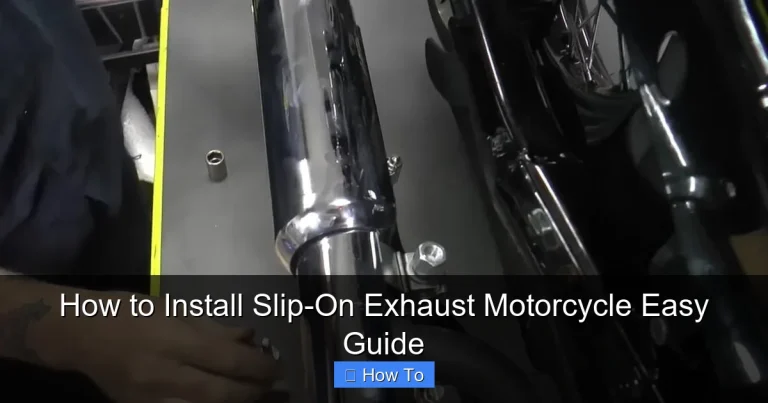
Visual guide about How to Change Exhaust on Motorcycle for Better Performance and Sound
Image source: onlymechanic.com
Before diving into the how-to, let’s talk about why you might want to change your exhaust in the first place.
Stock exhaust systems are designed for quiet operation, emissions compliance, and cost efficiency. That means they often restrict airflow and add unnecessary weight. An aftermarket exhaust, on the other hand, is built for performance. It typically features larger diameter pipes, high-flow mufflers, and fewer baffles—allowing exhaust gases to exit more freely.
The benefits include:
- Increased horsepower and torque: Better exhaust flow means your engine breathes easier, which can lead to noticeable power gains.
- Improved throttle response: Less backpressure helps the engine rev quicker and feel more responsive.
- Reduced weight: Many aftermarket systems use lightweight materials like titanium or stainless steel.
- Enhanced sound: A deeper, throatier exhaust note gives your bike a more aggressive personality.
- Better aesthetics: Sleek, polished exhausts can dramatically improve your motorcycle’s look.
Just remember: while performance gains are real, they’re often modest unless paired with other upgrades like air filters or engine tuning.
Choosing the Right Exhaust System
Not all exhausts are created equal. The right choice depends on your bike, riding style, and goals.
Types of Exhaust Systems
- Slip-on exhausts: These replace only the muffler and are the easiest to install. Great for improving sound and looks with minimal performance gain.
- Full systems: These replace the entire exhaust from header to tailpipe. Offer the best performance boost but are more complex and expensive.
- Performance vs. cosmetic systems: Some exhausts prioritize sound and style, while others are engineered for measurable horsepower gains.
Material Matters
- Stainless steel: Durable, rust-resistant, and affordable. A popular choice for most riders.
- Titanium: Extremely lightweight and strong, but expensive. Common on high-end sport bikes.
- Carbon fiber: Lightweight and stylish, often used for muffler sleeves. Can be pricey and less durable in extreme heat.
Sound and Legal Compliance
Always check local noise and emissions laws. Some aftermarket exhausts are significantly louder and may not be street-legal. Look for systems that are DOT-approved or come with a dB rating to ensure compliance.
Tools and Safety Preparation
Before you start, gather the right tools and prepare your workspace.
Essential Tools
- Socket wrench set (metric)
- Torque wrench
- Penetrating oil (like WD-40 or PB Blaster)
- Rubber mallet
- Safety gloves and glasses
- Jack stand or motorcycle lift (optional but helpful)
- Clean rags and degreaser
Safety First
- Work in a well-ventilated area, preferably outdoors or in a garage with the door open.
- Let the engine cool completely—hot exhaust parts can cause serious burns.
- Wear gloves and eye protection to avoid cuts and debris.
- Use a jack stand or center stand to stabilize the bike. Never work under an unsupported motorcycle.
Step-by-Step Guide to Changing Your Motorcycle Exhaust
Now that you’re prepared, let’s get to the main event.
Step 1: Remove the Old Exhaust
Start by loosening the exhaust mounting bolts. These are usually located at the header flange (where the exhaust connects to the engine) and at the rear hanger.
- Spray penetrating oil on all bolts and let it sit for 10–15 minutes. Rusted or seized bolts are common, especially on older bikes.
- Use a socket wrench to loosen the header bolts. Work gradually—don’t force them.
- If a bolt won’t budge, gently tap it with a rubber mallet or apply more penetrating oil.
- Once the bolts are loose, carefully remove them and set them aside in a tray so you don’t lose them.
- Support the exhaust pipe with one hand as you remove the last bolt to prevent it from falling.
- Detach the exhaust from the rear hanger (usually a rubber grommet). Wiggle it gently to free it.
Step 2: Clean the Mounting Area
With the old exhaust removed, take a moment to clean the header flange and mounting points.
- Use a rag and degreaser to remove oil, dirt, and carbon buildup.
- Inspect the header gasket. If it’s cracked or compressed, replace it. A good seal prevents leaks and ensures proper exhaust flow.
- Check the rubber hangers for wear. Replace them if they’re cracked or stretched.
Step 3: Install the New Exhaust
Now it’s time to install your new system. Whether it’s a slip-on or full system, the process is similar.
- Start by loosely attaching the new exhaust to the header flange. Don’t tighten anything yet.
- Insert the mounting bolts by hand first to avoid cross-threading.
- Connect the rear hanger to the rubber grommet. You may need to wiggle it into place.
- Once everything is aligned, use a torque wrench to tighten the header bolts to the manufacturer’s specifications. Over-tightening can warp flanges or crack headers.
- Double-check all connections. The exhaust should sit level and not touch any part of the bike’s frame or bodywork.
Step 4: Start the Bike and Check for Leaks
With the new exhaust installed, it’s time for a test run.
- Start the engine and let it idle for a few minutes.
- Listen for unusual noises like popping, hissing, or rattling.
- Feel around the header flange and joints for air leaks. A leak can cause performance issues and damage the exhaust over time.
- If you detect a leak, shut off the engine, let it cool, and re-tighten the bolts or replace the gasket.
Tuning Your Motorcycle After Exhaust Installation
One of the most overlooked steps is tuning. A new exhaust changes how your engine breathes, which can throw off the air-fuel ratio.
Why Tuning Matters
Stock ECUs are calibrated for factory exhaust systems. When you install a freer-flowing exhaust, more air exits the engine, which can make the mixture too rich (too much fuel) or too lean (too much air). A lean condition can cause overheating and engine damage.
Tuning Options
- Fuel controller (like Power Commander): Allows you to adjust fuel delivery based on RPM and throttle position.
- ECU flash: Reprograms the bike’s computer for optimal performance. Often done by a professional.
- Auto-tuning systems: Some modern bikes support self-learning ECUs that adapt over time.
For best results, especially with full systems, consider getting a professional dyno tune.
Troubleshooting Common Issues
Even with careful installation, problems can arise.
Exhaust Leaks
- Symptom: Hissing sound, reduced performance, soot around joints.
- Solution: Check gasket condition and bolt torque. Replace gasket if needed.
Vibration or Rattling
- Symptom: Exhaust hits frame or makes noise over bumps.
- Solution: Adjust mounting points or add rubber isolators.
Check Engine Light
- Symptom: Light comes on after installation.
- Solution: Likely due to altered airflow. A tune should resolve it.
Excessive Noise
- Symptom: Exhaust is too loud for street use.
- Solution: Install a removable baffle or choose a quieter system.
Maintaining Your New Exhaust
To keep your exhaust looking and performing great:
- Clean it regularly with mild soap and water. Avoid harsh chemicals on carbon fiber or titanium.
- Inspect for rust, especially on steel systems. Apply high-heat paint if needed.
- Check bolts and hangers every few months for tightness and wear.
- Store your bike in a dry place to prevent moisture buildup.
Final Thoughts
Changing your motorcycle’s exhaust is a rewarding project that can transform your ride. With the right tools, preparation, and attention to detail, you can install a new system safely and enjoy better performance, sound, and style.
Remember: while the installation is straightforward, tuning and maintenance are just as important. Don’t skip the tune—your engine will thank you.
Whether you’re a weekend rider or a track enthusiast, upgrading your exhaust is a great way to personalize your bike and unlock its full potential. So grab your tools, follow this guide, and get ready to hear that sweet new exhaust note roar to life.