How to Install Motorcycle Headers Step by Step Guide 2026

Installing motorcycle headers can boost performance and improve your bike’s sound, but it requires careful preparation and precision. This guide walks you through every step—from gathering tools to final testing—so you can complete the job safely and confidently.
Introduction: Why Install Motorcycle Headers?
Upgrading your motorcycle’s exhaust headers is one of the most effective ways to improve performance, sound, and even fuel efficiency. Headers replace the restrictive stock exhaust manifolds with smoother, more efficient tubing that allows exhaust gases to flow freely. Whether you’re a weekend rider or a performance enthusiast, installing new headers can give your bike a noticeable boost in power and a deeper, more aggressive exhaust note.
But while the benefits are clear, the installation process requires attention to detail. Unlike simple bolt-on accessories, headers involve working near hot engine components, precise torque settings, and sealing gaskets that must be perfect to prevent leaks. This guide will walk you through the entire process—step by step—so you can install your motorcycle headers safely, correctly, and with confidence.
By the end of this guide, you’ll know exactly what tools to use, how to remove the old headers, how to install the new ones, and how to test your work. Whether you’re a seasoned mechanic or a first-time DIYer, this guide is designed to make the process straightforward and stress-free.
Tools and Materials You’ll Need
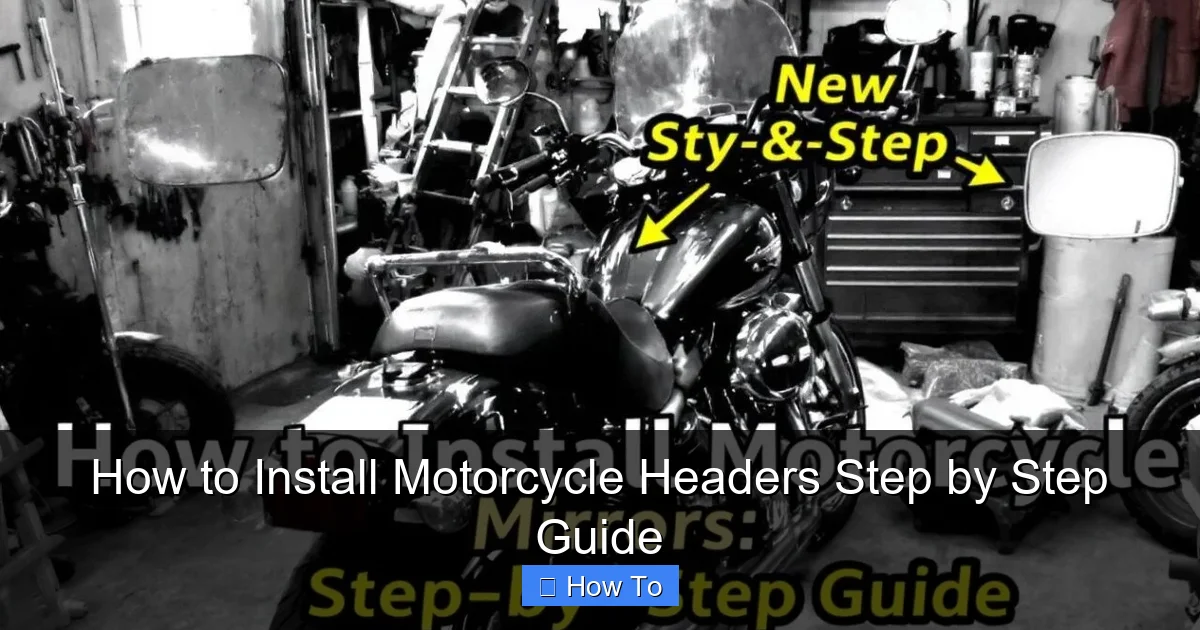
Visual guide about How to Install Motorcycle Headers Step by Step Guide
Image source: motorcyclepartsfinder.com.au
Before you begin, gather all the necessary tools and materials. Having everything ready will save time and prevent frustration mid-installation.
Essential Tools
- Socket wrench set (metric sizes, typically 8mm to 17mm)
- Torque wrench (critical for proper bolt tightening)
- Penetrating oil (like WD-40 or PB Blaster)
- Heat-resistant gloves
- Safety glasses
- Jack stands or a motorcycle lift (if needed)
- Wire brush or scraper
- Shop rags or paper towels
Materials
- New motorcycle headers (verify compatibility with your bike)
- Replacement exhaust gaskets (usually included, but double-check)
- High-temperature exhaust sealant (optional, for extra security)
- Anti-seize compound (recommended for bolt threads)
Optional but Helpful
- Impact wrench (for stubborn bolts)
- Magnetic tray (to hold small parts)
- Digital camera or phone (to document steps)
Step 1: Prepare Your Motorcycle
Safety and preparation are key. Start by parking your motorcycle on a level surface and allowing the engine to cool completely. Working on a hot engine can cause burns and make bolts harder to remove.
Secure the Bike
If your bike has a center stand, use it. If not, place it on a motorcycle lift or use jack stands to stabilize the rear wheel. Never rely solely on the side stand when working under the bike.
Disconnect the Battery
For safety, disconnect the negative terminal of the battery. This prevents accidental electrical shorts, especially if you’re working near sensors or wiring.
Remove Obstacles
Depending on your bike, you may need to remove the seat, side panels, or even the fuel tank to access the headers. Check your service manual for specific instructions. Label any disconnected wires or hoses with tape so you can reconnect them correctly later.
Step 2: Remove the Old Headers
Now it’s time to take off the stock headers. This step can be tricky if bolts are rusted or seized.
Spray Penetrating Oil
Apply penetrating oil to all header bolts and flange connections. Let it sit for 10–15 minutes to loosen rust and corrosion. For stubborn bolts, reapply and wait longer.
Loosen the Bolts
Use your socket wrench to carefully loosen the bolts connecting the headers to the engine head and the exhaust collector. Work from the outside in, and avoid forcing anything. If a bolt won’t budge, apply more penetrating oil and try again later.
Support the Header
As you remove the last few bolts, support the header with one hand to prevent it from falling and damaging other components.
Remove and Inspect
Once free, carefully remove the old headers. Inspect the exhaust ports on the engine for carbon buildup or damage. Use a wire brush to clean the mating surfaces where the new gaskets will sit.
Step 3: Install the New Headers
With the old headers removed, you’re ready to install the new ones. This is where precision matters.
Check Fitment
Before bolting anything, dry-fit the new headers to ensure they align properly with the engine and exhaust system. Look for gaps, misalignment, or interference with other parts.
Install New Gaskets
Place the new exhaust gaskets onto the engine’s exhaust ports. Never reuse old gaskets—they compress over time and won’t seal properly. If your headers came with gaskets, use those. If not, purchase OEM or high-quality aftermarket gaskets.
Apply Anti-Seize (Optional)
Lightly coat the threads of the header bolts with anti-seize compound. This prevents them from seizing in the future and makes future removal easier.
Position the Headers
Carefully position the new headers onto the engine. Start by hand-threading the bolts to avoid cross-threading. Once all bolts are started, use your socket wrench to tighten them gradually.
Tighten in Stages
Tighten the bolts in a crisscross pattern (like tightening lug nuts on a car) to ensure even pressure. Don’t fully torque them yet—just snug them up.
Step 4: Torque to Specifications
This step is critical. Over-tightening can warp or crack the headers; under-tightening can cause leaks.
Consult the Manual
Refer to your motorcycle’s service manual or the header manufacturer’s instructions for the correct torque specifications. These are usually listed in foot-pounds (ft-lbs) or Newton-meters (Nm).
Use a Torque Wrench
Set your torque wrench to the specified value. Tighten each bolt in the same crisscross pattern, going around 2–3 times to ensure even clamping force.
Double-Check Connections
After torquing, go over each bolt one more time to confirm they’re all secure. Pay special attention to the flange connections where the headers meet the mid-pipe or collector.
Step 5: Reassemble and Test
With the headers installed, it’s time to put everything back together and test your work.
Reconnect Components
Reattach any parts you removed earlier—seat, panels, fuel tank, etc. Reconnect the battery and ensure all electrical connections are secure.
Start the Engine
Turn on the ignition and start the engine. Listen for unusual noises, such as hissing (which could indicate a leak) or rattling (which could mean a loose component).
Check for Leaks
While the engine is running, inspect all connections for exhaust leaks. A simple method is to spray soapy water around the joints. If bubbles form, there’s a leak. Turn off the engine, let it cool, and re-tighten the affected bolts.
Take a Short Test Ride
Once you’re confident there are no leaks, take your bike for a short, gentle ride. Listen for changes in sound and feel for improvements in throttle response.
Troubleshooting Common Issues
Even with careful installation, problems can arise. Here’s how to handle the most common ones.
Exhaust Leaks
If you hear a hissing sound or see soot around a joint, the gasket may not be seated properly. Turn off the engine, let it cool, and re-tighten the bolts. If the leak persists, remove the header, inspect the gasket, and reinstall with a new one.
Misaligned Headers
Headers that don’t align with the mid-pipe can cause stress and leaks. If alignment is off, check for bent flanges or incorrect gaskets. Some aftermarket headers may require slight adjustments—consult the manufacturer.
Check Engine Light (CEL)
On fuel-injected bikes, changing the exhaust can sometimes trigger a CEL due to altered airflow. This is often temporary. If the light stays on, use an OBD2 scanner to check for codes. In some cases, a fuel tuner or ECU flash may be needed.
Rattling or Vibration
Excessive vibration can indicate loose bolts or missing exhaust hangers. Double-check all fasteners and ensure the headers are properly supported.
Conclusion
Installing motorcycle headers is a rewarding upgrade that can enhance your bike’s performance and sound. While it may seem intimidating at first, following this step-by-step guide ensures a safe and successful installation. Remember to use the right tools, replace gaskets, torque bolts properly, and test for leaks.
Take your time, stay safe, and enjoy the results. With your new headers in place, you’re ready to hit the road with more power, better efficiency, and a deeper exhaust note that turns heads. Happy riding!