Are Half Helmet Safe? Unveiling the Truth About Their Protection

Half helmets are popular among many motorcyclists. But are they safe enough?
Half helmets provide some protection but not as much as full-face helmets. They cover only part of the head, leaving the face and chin exposed. Riders choose them for comfort, ventilation, and style. Safety experts, however, express concerns about their limited coverage.
They argue that full-face helmets offer better protection in accidents. Understanding the safety of half helmets is crucial for making an informed choice. In this blog, we will explore the pros and cons of half helmets. We will also look at safety statistics and expert opinions. By the end, you will know if a half helmet is the right choice for you.
Introduction To Half Helmets
Half helmets, also known as skull caps, provide a minimalist design. They cover the top of the head but leave the face exposed. Many riders prefer half helmets for their lightweight and open feel. But are they safe?
History Of Half Helmets
Half helmets date back to the early days of motorcycling. In the 1950s, they became popular among riders. They were simple and easy to wear. Riders enjoyed the breeze and the freedom they offered. But safety standards were not strict back then.
Popularity Among Riders
Many riders still love half helmets today. They offer a sense of freedom. The open design allows for better visibility. Riders can hear traffic sounds better. This is important for safety. Half helmets are also lighter than full-face helmets. Many riders find them more comfortable for short rides. They are easy to put on and take off.

Credit: m.youtube.com
Design And Structure
Design and Structure play a crucial role in determining the safety of half helmets. These helmets offer partial coverage, focusing on protecting the top and sides of the head. Understanding their materials and features can help you decide if they meet your safety needs.
Materials Used
Half helmets are made from various materials to ensure durability and protection. Common materials include:
- Polycarbonate: Lightweight yet strong, offers good impact resistance.
- Fiberglass: Known for its high strength-to-weight ratio.
- Kevlar: Provides excellent protection and is highly durable.
These materials absorb impact and reduce the risk of head injuries. The choice of material affects the helmet’s weight and comfort.
Key Features
Half helmets come with several key features that enhance their safety and comfort:
- Chin Straps: Secure the helmet to your head, preventing it from flying off during a crash.
- Ventilation: Improves airflow, keeping you cool during long rides.
- Padding: Provides extra comfort and absorbs shock, reducing the impact on your head.
- Visors: Protect your eyes from sun glare and debris, ensuring clear visibility.
These features are designed to keep riders safe while enhancing their overall riding experience. Always check if the helmet meets safety standards like DOT or ECE.
In conclusion, the design and structure of half helmets play a vital role in their safety. By understanding the materials used and key features, riders can make informed decisions about their head protection.
Safety Standards
Half helmets offer a lighter, more stylish option for riders. But are they safe? To determine their safety, we must look at the safety standards they meet. These standards ensure that half helmets provide basic protection in accidents.
Certification Requirements
Certification is crucial for helmet safety. In many countries, helmets must meet specific standards. The DOT (Department of Transportation) certification is common in the United States. Helmets must pass impact, penetration, and retention system tests.
ECE (Economic Commission for Europe) is another certification standard. ECE-certified helmets undergo rigorous testing. These tests include impact absorption, chin strap strength, and field of vision.
Compliance With Regulations
Half helmets must comply with local regulations. Different regions have different rules. In the U.S., helmets must comply with FMVSS 218 (Federal Motor Vehicle Safety Standard 218). This standard ensures helmets offer minimum safety.
In Europe, helmets must comply with ECE 22.05. This regulation covers various aspects of helmet safety. It includes materials used, design, and performance in crash tests.
| Certification | Region | Tests Involved |
|---|---|---|
| DOT | USA | Impact, Penetration, Retention |
| ECE | Europe | Impact, Chin Strap, Field of Vision |
Always check for these certifications. They ensure the helmet meets basic safety standards. Without them, your helmet may not protect you in an accident.
Comparing Helmet Types
When choosing a motorcycle helmet, safety is the top priority. Riders often compare different types to find the best fit. This section delves into the comparisons between full face, open face, and half helmets. Each type has unique features and safety levels.
Full Face Vs. Half Helmet
Full face helmets cover the entire head. They provide maximum protection. This type is great for high-speed riding. It shields the face, chin, and neck.
Half helmets, on the other hand, cover only the top of the head. They leave the face and chin exposed. This makes them less protective. They are lighter and offer better visibility.
Choose full face helmets for higher safety. Half helmets are better for comfort and visibility.
Open Face Vs. Half Helmet
Open face helmets cover the head and sides. They leave the face open. They offer more protection than half helmets. But, they are less protective than full face helmets.
Half helmets are lighter. They allow more air flow. They are suitable for short rides and hot weather.
Open face helmets provide a balance between protection and comfort. Half helmets are ideal for those who prefer lightweight gear.
Protection Levels
When choosing a half helmet, safety is crucial. Understanding the protection levels will help you make an informed decision. Let’s break down the key aspects of protection in half helmets.
Impact Resistance
Impact resistance is a major factor in helmet safety. Half helmets usually have a hard outer shell. This shell absorbs and disperses the force during a crash. The inner foam lining helps reduce the impact on your head.
However, half helmets generally provide less impact resistance than full-face helmets. Full-face helmets cover more of your head and face. This results in better protection in high-impact crashes.
| Helmet Type | Impact Resistance |
|---|---|
| Half Helmet | Moderate |
| Full-Face Helmet | High |
Coverage Area
Coverage area is another critical factor. Half helmets cover the top of your head and part of the sides. They often leave your face, chin, and lower back of the head exposed. This limited coverage means less protection in certain crash scenarios.
In contrast, full-face helmets offer more extensive coverage. They protect your face, chin, and the entire head. This gives you better overall safety. So, if you’re considering a half helmet, be aware of its coverage limitations.
- Top of the head
- Part of the sides
These areas are the main focus of half helmets. Always assess the type of riding and risks involved before choosing a helmet.

Credit: m.youtube.com
Real-life Scenarios
Half helmets provide some protection, but they leave parts of the head exposed. Riders often face higher risk in accidents. Always consider full-face helmets for better safety.
Motorcycle riders often wonder about the safety of half helmets. Real-life scenarios provide valuable insights. Let’s delve into actual accident cases and rider testimonials. These stories shed light on how half helmets perform in real-world situations.Accident Case Studies
Studies show mixed results with half helmets. In one case, a rider fell off at a low speed. The half helmet protected his head but not his face. Another case involved a high-speed crash. The rider suffered severe head injuries. The half helmet did not offer full protection.In contrast, some accidents show half helmets can help. A rider hit a tree branch. The helmet prevented a severe head injury. Half helmets can offer some protection. But they don’t cover the entire head and face.Rider Testimonials
Many riders share their experiences. One rider said his half helmet saved his life. He fell off his bike at 30 mph. The helmet protected his skull. Another rider had a different experience. She was in a minor crash. Her half helmet did not protect her jaw. She needed surgery.A seasoned rider shared his story. He prefers half helmets for comfort. He survived a crash with minor injuries. He believes half helmets are enough for city riding. Another rider disagrees. She switched to a full-face helmet after an accident. She feels safer with more coverage.Real-life scenarios highlight the pros and cons of half helmets. They can offer some protection. But they don’t cover the entire head and face. Riders should weigh comfort against safety. “`Pros And Cons
Half helmets are popular among motorcycle riders for their lightweight design. Yet, there are mixed opinions about their safety. Let’s explore the pros and cons of half helmets.
Advantages Of Half Helmets
Half helmets provide better ventilation. Riders feel more comfortable in hot weather. The lightweight design reduces neck strain. Riders enjoy a wider field of vision. It’s easier to communicate with others. Half helmets are usually cheaper than full-face helmets.
Drawbacks Of Half Helmets
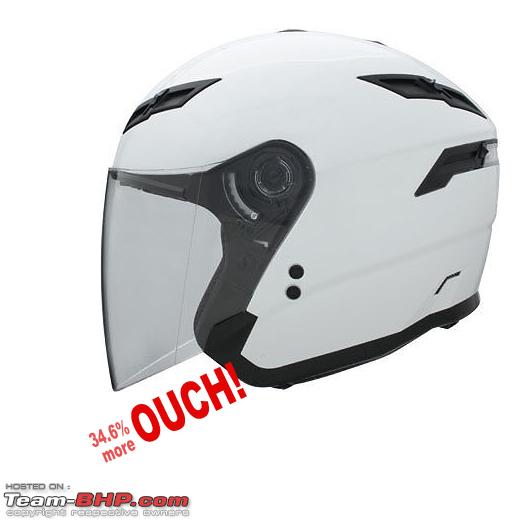
Half helmets offer less protection. The face and jaw remain exposed. Impact resistance is lower than full-face helmets. Wind noise can be more noticeable. Less coverage means less insulation in cold weather. They may not meet safety standards in some regions.
Credit: www.team-bhp.com
Tips For Choosing
Choosing the right half helmet is crucial for your safety and comfort. Here are some tips to help you make an informed decision.
Fit And Comfort
A helmet that fits well can save your life. Measure your head size before purchasing. The helmet should sit level on your head. It should not move around easily. You want a snug fit but not too tight.
Check for adjustable straps and padding. These features improve comfort. Look for helmets with removable liners. They make cleaning easier.
| Feature | Importance |
|---|---|
| Snug Fit | Essential for safety |
| Adjustable Straps | Improves comfort |
| Removable Liners | Easy to clean |
Additional Safety Features
Safety should be your top priority. Look for helmets with DOT or ECE certifications. These standards ensure the helmet meets safety requirements.
Consider helmets with additional safety features. Some helmets come with built-in visors. They protect your eyes from debris and sunlight. Others have reflective patches for better visibility at night.
- DOT or ECE Certification – Ensures safety standards
- Built-in Visors – Protects your eyes
- Reflective Patches – Enhances visibility
Some helmets also offer Bluetooth connectivity. This allows you to stay connected safely. You can listen to music or take calls hands-free.
- Check for certifications.
- Look for built-in visors.
- Consider reflective patches.
- Explore Bluetooth features.
Frequently Asked Questions
What Is A Half Helmet?
A half helmet is a type of motorcycle helmet that covers the top of the head but leaves the face and lower part of the head exposed.
Are Half Helmets Dot Approved?
Many half helmets are DOT approved, meaning they meet the safety standards set by the Department of Transportation. Always check for the DOT sticker.
Do Half Helmets Provide Enough Protection?
Half helmets provide less protection compared to full-face helmets. They protect the top of the head but leave the face and chin exposed.
Can You Wear Goggles With A Half Helmet?
Yes, you can wear goggles with a half helmet for additional eye protection. Many riders prefer this combination.
Conclusion
Half helmets offer some protection but are not the safest option. Riders should weigh the risks and benefits. Full-face helmets provide more coverage and safety. Choose the helmet that best suits your riding style. Safety should always be a priority.
Remember, the right helmet can save your life. Make an informed decision for your safety on the road. Stay safe and ride responsibly.