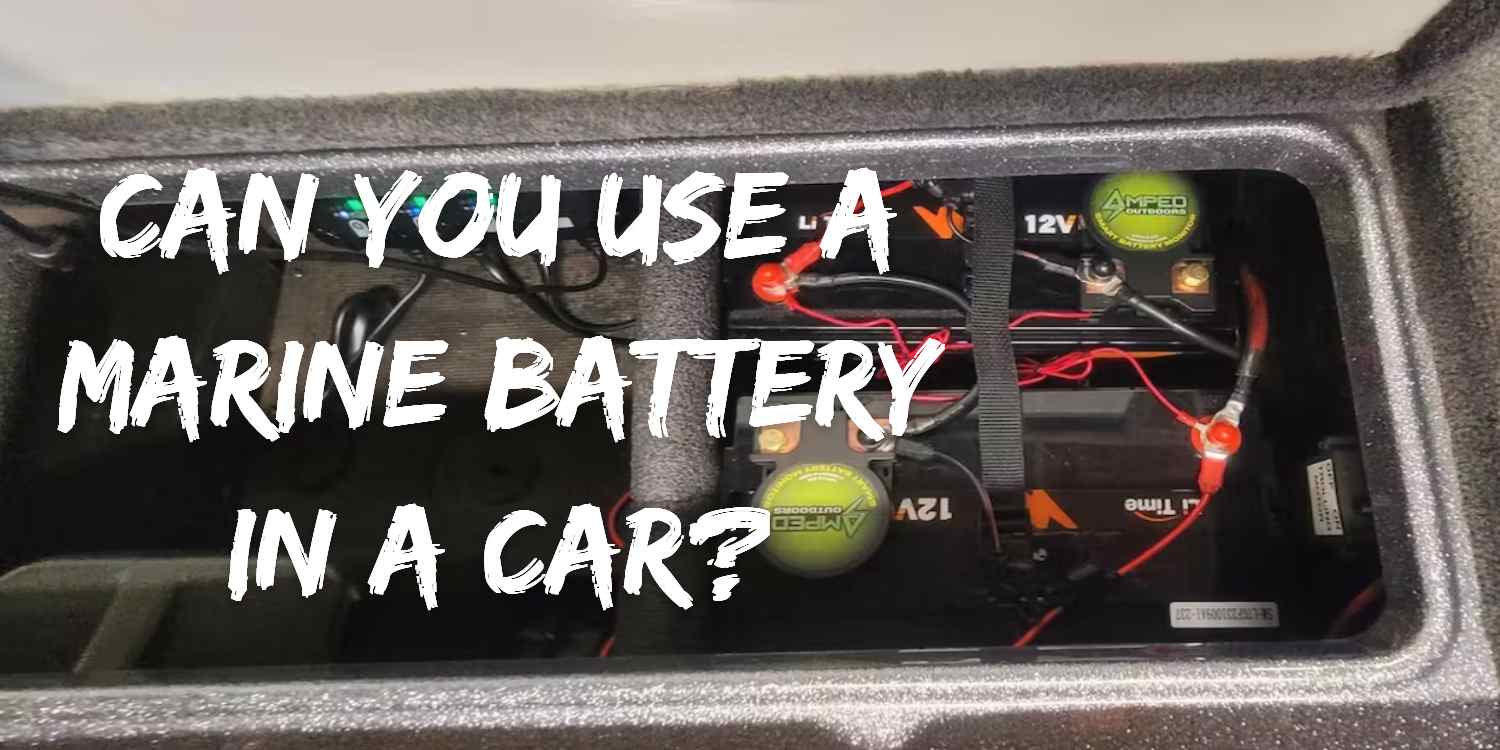
Can You Use A Marine Battery In A Car ?

Are you wondering if a marine battery can power your car? It’s a common question, especially if you’re looking for a reliable and long-lasting battery option.
You might be tempted to save money or boost performance by using a marine battery in your vehicle. But is it really a good idea? Keep reading to find out the truth, so you can make the best choice for your car’s battery and avoid costly mistakes.
Your car’s health depends on it!

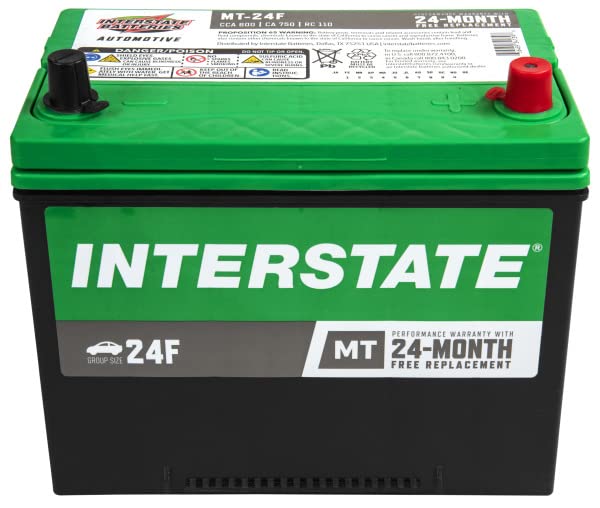
Credit: www.allstarbatteries.com.au
Differences Between Marine And Car Batteries
Marine and car batteries serve different purposes. Each has unique features for its specific use. Understanding their differences helps decide if a marine battery can work in a car.
Design And Construction
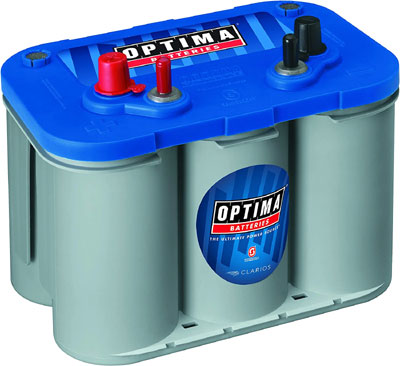
Marine batteries are built to handle rough conditions at sea. They have thicker plates to resist vibrations and shocks. Car batteries focus on starting power and are lighter. Their design suits a stable engine bay, not constant movement.
Power Output And Capacity
Car batteries deliver a strong burst of power to start the engine. They provide short, high energy quickly. Marine batteries offer steady power for longer periods. They run accessories like lights and radios without draining fast.
Durability And Resistance
Marine batteries resist water, salt, and extreme weather better. They have sealed cases to prevent leaks. Car batteries are less protected from moisture and corrosion. Marine batteries last longer in wet and rough environments.
Advantages Of Using Marine Batteries In Cars
Marine batteries offer unique benefits when used in cars. They are built to last and handle tough situations well. These qualities can improve car battery life and reliability. Using a marine battery in a vehicle can be a smart choice for many drivers.
Enhanced Durability
Marine batteries are designed to resist vibration and shocks. Boats face rough waves, so these batteries must be strong. This durability helps marine batteries last longer in cars. They withstand bumps and jolts better than regular car batteries. This means fewer replacements and better performance over time.
Better Performance In Harsh Conditions
Marine batteries perform well in extreme weather. They handle heat, cold, and moisture without losing power. Cars often face these tough conditions on the road. Marine batteries keep working even in rain or snow. This reliability ensures your car starts every time, no matter the weather.
Potential Drawbacks And Risks
Using a marine battery in a car might seem like a good idea. They are built tough and last long. Yet, there are some risks and drawbacks to consider before making the switch. These issues can affect your car’s performance and your wallet.
Cost Considerations
Marine batteries often cost more than regular car batteries. Their special design and materials add to the price. Buying one for your car means spending extra money. Also, replacing or maintaining them can be costly over time.
Compatibility Issues
Marine batteries are made for boats, not cars. Their power delivery and charging needs differ from car batteries. Using a marine battery might cause problems with your car’s electrical system. Some cars may not charge the battery correctly. This can lead to faster battery wear or failure.
Weight And Size Factors
Marine batteries tend to be heavier and larger than car batteries. This extra weight can affect your car’s fuel efficiency. The bigger size may not fit well in your car’s battery compartment. You might need special mounts or modifications, which add hassle and cost.
When Marine Batteries Make Sense For Cars
Marine batteries can be a good choice for certain cars. They are built to handle tough conditions and strong power needs. These batteries work well where regular car batteries might fail. Understanding when marine batteries make sense helps in choosing the right battery for your vehicle.
Off-road And Recreational Vehicles
Off-road vehicles often face rough terrain and vibration. Marine batteries resist vibrations better than standard car batteries. They provide steady power for longer trips away from charging sources. Boats and off-road vehicles share similar needs for durability and power. Using a marine battery can prevent unexpected power loss in these vehicles.
Vehicles With High Power Demands
Certain vehicles need more power than usual. Cars with extra lights, winches, or audio systems use more electricity. Marine batteries offer higher reserve capacity to meet these demands. They supply power consistently without draining quickly. This makes them ideal for vehicles with many electronic accessories.
Installation And Maintenance Tips
Using a marine battery in a car requires careful installation and regular upkeep. Proper steps ensure the battery works well and lasts long. Following simple tips helps avoid damage and safety issues.
Proper Installation Practices
Place the battery securely in the car’s battery tray. Use the right size and type of battery hold-down. Connect the positive terminal first to avoid sparks. Then attach the negative terminal. Check for clean, tight connections to prevent power loss. Avoid mixing battery types in the same system. Ensure the battery is stable and cannot move while driving.
Routine Maintenance Requirements
Check battery terminals for dirt and corrosion regularly. Clean terminals with a mixture of baking soda and water if needed. Inspect the battery case for cracks or leaks. Keep the battery charged, especially in cold weather. Test the battery voltage monthly to monitor health. Replace the battery if it shows signs of failing or damage.
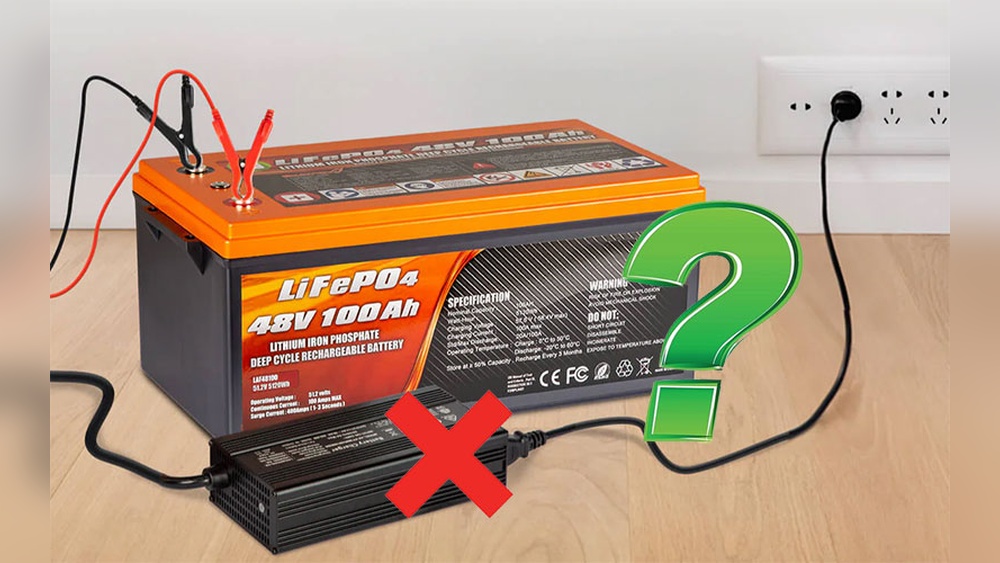
Credit: www.litime.com
Alternatives To Marine Batteries For Cars
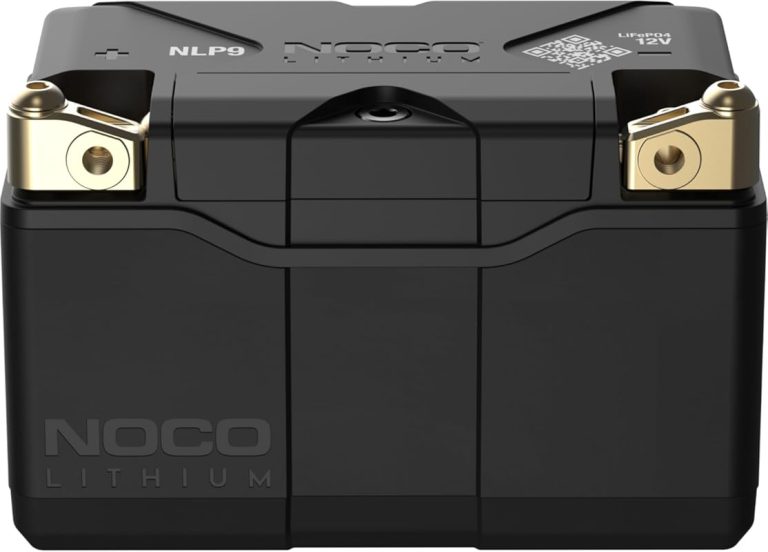
Choosing the right battery for your car matters a lot. Marine batteries are strong but not always the best fit for cars. Several other battery types work better in vehicles. These alternatives offer better power and longer life for cars.
Deep Cycle Batteries
Deep cycle batteries deliver steady power over a long time. They are designed to handle repeated charging and discharging. This makes them useful for cars with extra electrical needs. They work well in vehicles with many accessories or electronics. Deep cycle batteries last longer than marine batteries under car conditions. They charge slowly but provide reliable energy for hours.
High-performance Car Batteries
High-performance car batteries are made for vehicle use. They start the engine quickly and handle heat well. These batteries fit standard car designs and wiring easily. They offer better cold-cranking amps for fast starts in winter. High-performance batteries need less maintenance compared to marine batteries. They give steady power for daily driving and trips.
Credit: www.batteryequivalents.com
Frequently Asked Questions
Can A Marine Battery Replace A Car Battery?
Yes, a marine battery can replace a car battery, but it’s not ideal. Marine batteries are designed for deep cycling, not high cranking power. Car batteries provide quick bursts of energy to start engines, so marine batteries may underperform in cold starts or quick ignition needs.
Are Marine Batteries Suitable For Car Starting?
Marine batteries are suitable for car starting but not optimized. They deliver steady power over time but lack the high cold cranking amps (CCA) typical car batteries offer. This can cause difficulty in starting the engine, especially in cold weather conditions.
What Are The Differences Between Marine And Car Batteries?
Marine batteries offer deep cycling and durability against vibration. Car batteries provide higher cold cranking amps for quick engine starts. Marine batteries last longer in sustained power use, while car batteries excel in delivering short, powerful bursts of energy.
Will A Marine Battery Affect My Car’s Electrical System?
Using a marine battery in a car usually won’t harm the electrical system. However, it may cause inconsistent starting performance and reduced efficiency. Marine batteries are built for different power demands, so using one might not match your car’s electrical requirements perfectly.
Conclusion
Using a marine battery in a car can work but needs caution. Marine batteries handle different power needs than car batteries. They last longer and resist water better. Still, they may not fit perfectly or deliver the right power. Choosing the right battery keeps your car running well and safe.
Always check your car’s needs before making a switch. This helps avoid damage and saves money. A marine battery can be useful but not always the best choice. Think about your car’s demands first.