Difference between Front And Rear Motorcycle Tires: Key Facts Revealed

When it comes to your motorcycle, not all tires are created equal. You might think front and rear tires serve the same purpose, but understanding their key differences can change how you ride—and how safe you feel on the road.
Knowing which tire does what affects your bike’s handling, grip, and overall performance. If you want to get the most out of your rides and avoid costly mistakes, keep reading. This article will break down the essential differences between front and rear motorcycle tires in a way that’s easy to grasp—and easy to use.
Tire Design
Understanding the tire design is key to knowing the difference between front and rear motorcycle tires. Both tires serve distinct roles, so their design must match these needs. The front tire mainly controls steering and braking, while the rear tire handles power delivery and traction. This difference affects tire tread differences and the materials used in each tire. Motorcycle tires vary in shape, size, and composition to improve motorcycle handling and safety. The design also influences tire wear patterns and overall tire durability factors. Let’s explore two main aspects of tire design: tread patterns and rubber compounds.
Tread Patterns
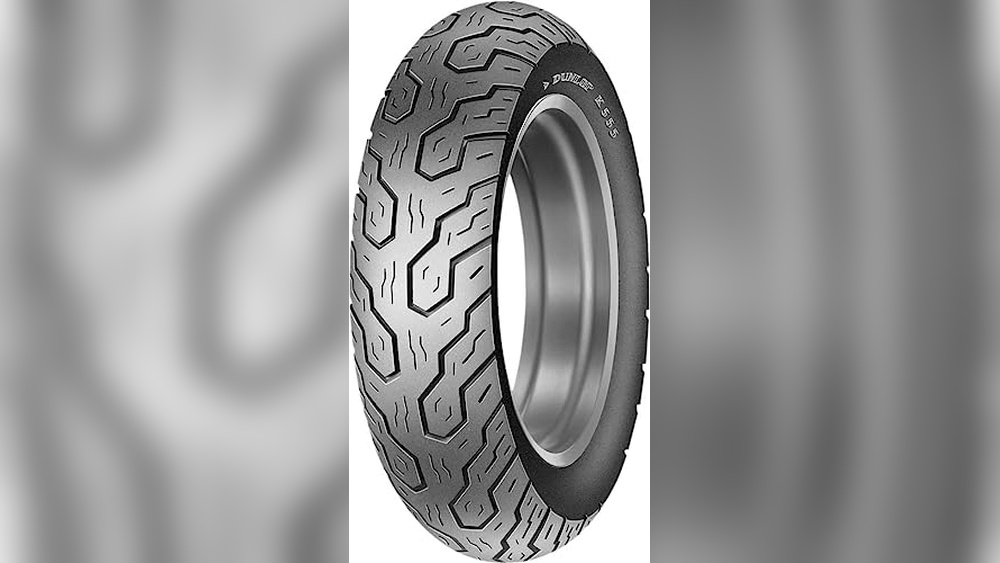
Tread patterns on front and rear tires differ to match their specific functions. The front tire needs to provide good grip for steering and braking. It often has a tread pattern that channels water away quickly, reducing slip on wet roads. The rear tire’s tread focuses on maximizing traction and power transfer to the road.
- Front Tire Tread: Designed for precise handling and quick water evacuation.
- Rear Tire Tread: Wider and deeper grooves to increase grip and stability during acceleration.
| Tire Aspect | Front Tire | Rear Tire |
|---|---|---|
| Tread Pattern | Narrow grooves, directional for water channeling | Wider grooves, blockier for grip and power |
| Function | Steering, braking, water dispersion | Acceleration, traction, stability |
| Tire Wear | Even wear, more on edges due to cornering | Center wear due to constant power delivery |
These tread differences affect tire grip and traction. Front tires need to maintain contact during turns and stops. Rear tires push the bike forward and must resist slipping under power. Proper tire pressure importance ties closely to tread performance, affecting the contact patch and grip.
Rubber Compounds
Rubber compound variations play a major role in tire design. The front and rear tires use different compounds to balance grip and durability. Front tires often use a slightly harder compound to last longer and provide stable handling. Rear tires use softer compounds to increase grip during acceleration.
These compound differences impact tire durability factors and tire wear patterns. Softer rear tires wear faster but offer better traction. Harder front tires last longer but maintain good steering control. Tire makers blend compounds carefully to match the bike’s weight and power.
- Front Tire Compounds: Harder, durable, stable on wet and dry roads.
- Rear Tire Compounds: Softer, sticky, enhance acceleration and cornering grip.
The choice of compound affects motorcycle tire types and performance under different conditions. Sport tires have softer compounds, touring tires use balanced compounds for longer life, and off-road tires feature very different compounds suited to rough terrain. Understanding front tire vs rear tire compound differences helps riders choose the right tires for their needs.
Function And Performance
The function and performance of front and rear motorcycle tires differ significantly due to their roles in riding dynamics. Each tire type has unique features designed to optimize motorcycle handling dynamics, safety, and comfort. Understanding these differences helps riders choose the right tires for better control and durability. Front tire characteristics focus on steering precision and balance, while rear tire features emphasize power delivery and stability. These roles affect motorcycle tire grip, wear patterns, and overall performance on the road.
Steering And Handling
Front tires play a crucial role in steering performance tires. They are narrower and designed to provide quick, responsive turning. This helps the rider control the direction easily and safely. The tread pattern and rubber compound of front tires focus on grip during cornering and smooth handling.
- Front Tire Characteristics: Lighter, with flexible sidewalls for better feedback.
- Motorcycle Tire Types: Front tires often have a rounder profile for smooth lean angles.
- Tire Pressure Effects: Proper pressure in front tires improves steering response and reduces wobble.
In contrast, rear tires are wider and built to support the bike’s weight and power. They provide traction during acceleration and help keep the bike stable. Rear tire features include a larger contact patch and a stiffer sidewall to handle more stress.
| Aspect | Front Tire | Rear Tire |
|---|---|---|
| Width | Narrower for better steering | Wider for power and stability |
| Profile | Rounder for lean control | Flatter for grip and balance |
| Sidewall | Flexible for feedback | Stiffer for support |
Tire wear patterns on front tires often show even wear, as they mainly guide the bike. The rear tire wears faster on the edges due to power delivery and traction demands.
Traction And Stability
Traction and stability are essential for safe riding. The rear tire provides most of the grip needed to push the bike forward. It handles forces from acceleration, braking, and cornering. Tire traction differences between front and rear tires stem from their roles in power and control.
- Rear Tire Features: Larger surface area improves grip and stability.
- Motorcycle Tire Grip: Rear tires use softer rubber compounds for better traction.
- Tire Stability Comparison: Rear tires resist slipping and help maintain balance.
Front tires contribute to traction during braking and cornering. Their grip helps prevent skidding and maintains control. The tread design often channels water away to keep contact in wet conditions.
| Traction Factor | Front Tire | Rear Tire |
|---|---|---|
| Grip Focus | Braking and cornering | Acceleration and balance |
| Rubber Compound | Harder for durability | Softer for better grip |
| Contact Patch | Smaller, precise control | Larger, increased traction |
Motorcycle handling dynamics depend on the balance between front and rear tire performance. Proper tire pressure, correct tire types, and understanding wear patterns help maintain this balance. This ensures safer rides and better control on all road conditions.
Load And Wear
The difference between front and rear motorcycle tires is crucial for safe riding and proper maintenance. One key aspect is load and wear. Load means how much weight each tire carries, and wear refers to how the tires degrade over time. Understanding these helps riders choose the right tires and maintain them well. Motorcycle tire construction varies to handle different loads and wear patterns. The front and rear tires face different forces, affecting motorcycle safety tires and overall performance. Knowing these differences improves motorcycle handling dynamics and extends tire life.
Weight Distribution
The weight distribution on motorcycles is uneven. Most of the bike’s weight and the rider’s force rest on the rear tire. This makes the rear tire carry more load than the front. The front tire supports steering and balance but carries less weight.
Here are key points about weight distribution:
- Rear tire: Bears around 60-70% of the total weight.
- Front tire: Supports 30-40% of the weight.
- Weight shifts during acceleration, braking, and cornering.
- Tire pressure impact differs due to load differences.
This uneven load affects motorcycle tire types. Rear tires are made stronger to handle more stress and provide better grip. Front tires focus on steering control and stability. The design and materials reflect these roles. The rear tire often uses tougher rubber compounds to resist wear, while the front tire prioritizes precision and grip.
| Tire Position | Weight Carried (%) | Main Function | Key Design Feature |
|---|---|---|---|
| Front Tire | 30-40 | Steering and balance | Precision, grip, stability |
| Rear Tire | 60-70 | Power delivery and load bearing | Durability, traction |
Weight distribution affects how tires wear and perform. Properly matching tire types helps maintain tire traction comparison and ensures safer riding.
Wear Patterns
Front tire wear patterns differ from the rear due to their roles and load. The front tire wears mainly from braking and cornering forces. It often shows wear on the edges from turning and less wear in the center. This affects motorcycle handling dynamics and steering response.
On the other hand, the rear tire wear patterns come mostly from acceleration and carrying weight. The center of the rear tire wears faster because it handles most power delivery. Rear tires can show flat spots or uneven wear if pressure is wrong or riding style is aggressive.
- Front tire wear: Edge wear, less center wear, influenced by steering and braking.
- Rear tire wear: Center wear, affected by power and weight load.
- Uneven wear can reduce tire grip differences and safety.
- Checking tire pressure impact helps prevent abnormal wear.
Here is a simple comparison table:
| Wear Aspect | Front Tire | Rear Tire |
|---|---|---|
| Main Cause | Braking, cornering | Acceleration, load |
| Wear Location | Edges | Center |
| Effect on Safety | Steering control | Traction and stability |
Understanding these wear patterns helps riders choose the right motorcycle tire types and maintain them for better safety. Regular inspection of wear and tire pressure is key to keeping tires in good shape.
Size And Pressure
Understanding the size and pressure differences between front and rear motorcycle tires is key for safe riding. These two factors affect motorcycle handling, tire grip, and overall performance. The front tire vs rear tire comparison shows clear distinctions in load capacity, tire size differences, and recommended tire air pressure. Recognizing these helps in choosing the right motorcycle tire types and maintaining them properly for longer tire wear life.
Dimensional Differences
The front and rear tires differ significantly in size and construction. The front tire is usually narrower and smaller in diameter. This design helps with steering precision and better control. The rear tire is wider and larger to handle more power and weight.
- Front Tire Size: Narrower width, smaller profile for precise handling.
- Rear Tire Size: Wider and bigger for better traction and stability.
- Load Capacity: Rear tires support more weight and torque from the engine.
- Tire Tread Patterns: Front tires often have patterns designed for water displacement and grip in corners.
- Tire Construction: Rear tires use stronger materials to resist wear from acceleration.
Here is a simple table showing typical size differences:
| Tire Position | Width (mm) | Aspect Ratio (%) | Diameter (inches) | Common Use |
|---|---|---|---|---|
| Front Tire | 90-120 | 70-90 | 17-19 | Steering and control |
| Rear Tire | 130-200 | 50-70 | 17-18 | Power delivery and grip |
These differences allow the motorcycle to balance traction and maneuverability. The front tire manages steering forces, while the rear tire handles acceleration forces. Understanding this helps riders pick the correct tire size for their motorcycle model.
Recommended Air Pressure
Proper tire air pressure is critical to maintain safe riding and extend tire wear. The front tire usually requires lower pressure than the rear. This difference supports better motorcycle handling and absorbs road shocks effectively.
- Front Tire Pressure: Typically ranges from 28 to 36 psi, depending on the bike.
- Rear Tire Pressure: Usually higher, around 32 to 42 psi, to support greater load capacity.
- Load Capacity Impact: Higher pressure in the rear tire helps carry more weight safely.
- Tire Wear: Incorrect pressure causes uneven wear and reduces tire life.
Here is a general guideline for air pressure based on motorcycle type:
| Motorcycle Type | Front Tire Pressure (psi) | Rear Tire Pressure (psi) |
|---|---|---|
| Sport Bikes | 32-36 | 36-42 |
| Cruisers | 30-34 | 34-40 |
| Touring Bikes | 30-36 | 36-44 |
Always check the motorcycle manufacturer’s recommendations for exact pressure. Proper inflation improves tire grip and motorcycle handling. It also reduces the risk of tire failure and uneven tire wear. Regular pressure checks keep the tires in good shape and improve riding safety.
Safety Considerations
Understanding the difference between front and rear motorcycle tires is vital for motorcycle safety features. Each tire plays a unique role in handling and stability, affecting the bike’s overall performance. Safety considerations focus on how these tires influence braking performance and the risk of tire failure. Proper knowledge helps riders maintain control and avoid accidents.
Impact On Braking
The front tire vs rear tire has a major effect on braking. The front tire handles most of the braking force, about 70%, because the bike’s weight shifts forward. This makes the front tire’s tire tread patterns and tire grip variations critical for stopping safely.
The rear tire supports the rest of the braking force and helps keep the bike stable. Its design focuses on providing grip under acceleration and braking.
- Front tire: Designed for strong grip and quick response to braking.
- Rear tire: Built for durability and stability, with different tread patterns.
Proper tire pressure importance cannot be ignored. Low or high pressure affects braking distance and control.
| Aspect | Front Tire | Rear Tire |
|---|---|---|
| Braking Force | 70% | 30% |
| Tread Pattern | Designed for grip on wet and dry surfaces | Designed for durability and traction |
| Wear Rate | Faster due to braking stress | Slower but affected by acceleration |
Ignoring these factors reduces braking performance and increases accident risks. Regular checks on tire condition and pressure boost motorcycle safety features.
Risk Of Tire Failure
The risk of tire failure differs between front and rear tires due to their roles and wear patterns. The front tire faces stresses from steering and braking, causing different tire wear differences. The rear tire handles more load and acceleration forces.
Common causes of tire failure include:
- Incorrect tire pressure
- Uneven tire wear
- Damage from road hazards
- Using wrong motorcycle tire types for conditions
Regular inspection helps spot problems early. Front tires may develop uneven tread wear faster, risking grip loss. Rear tires may wear out in the center due to constant load.
| Risk Factor | Front Tire | Rear Tire |
|---|---|---|
| Tire Wear Type | Edge wear from cornering and braking | Center wear from load and acceleration |
| Failure Risk | Grip loss leading to poor handling | Blowout risk due to load stress |
| Maintenance Focus | Check pressure and tread pattern | Monitor load and tire condition |
Understanding these differences improves safety and extends tire life. Proper care lowers the risk of tire failure and supports better handling and stability.
Choosing The Right Tires
Choosing the right tires for your motorcycle is crucial for safety and performance. Front and rear tires serve different roles, so understanding their unique features helps in selecting the best fit. Front Tire Characteristics focus on steering and stability, while Rear Tire Features emphasize power delivery and traction. Both affect Motorcycle Handling and overall ride quality. Picking tires based on your riding needs ensures better grip, longer tire life, and improved control. Proper Tire Pressure Importance also plays a big role in maximizing tire performance.
Matching Tires To Riding Style
Every rider has a distinct way of riding, and tire choice should match this style. Different Motorcycle Tire Types offer various benefits depending on the use. For example, sport riders need tires that provide excellent grip and quick response. Touring riders look for tires that last long and offer comfort. Off-road riders require tires that handle rough terrain well.
Consider these points when matching tires to your riding style:
- Sport Riding: Tires with softer rubber for better grip and sharper cornering.
- Touring: Durable tires with a balanced tread for smooth rides and long wear.
- Commuting: Tires with good all-weather traction and consistent performance.
- Off-Road: Knobby tires for maximum traction on dirt and gravel.
The table below shows key differences in tire grip and wear for various styles:
| Riding Style | Tire Grip | Tire Wear | Recommended Tire Type |
|---|---|---|---|
| Sport | High | Fast | Soft compound, slick or semi-slick |
| Touring | Medium | Slow | Hard compound, deep tread |
| Commuting | Medium | Medium | All-weather tires |
| Off-Road | Variable | Variable | Knobby tires |
Understanding Tire Grip Differences between front and rear tires also helps. Front tires provide stability during braking and cornering. Rear tires handle acceleration and need better traction. Riding Style Impact changes how these tires wear and perform over time.
Replacement Tips
Replacing motorcycle tires at the right time keeps your ride safe and smooth. Knowing Tire Wear Patterns helps spot when tires need replacing. Worn tires reduce grip and increase the risk of accidents. Both front and rear tires should be checked regularly for signs of damage or low tread.
Follow this Tire Replacement Guide for best results:
- Inspect tires monthly for cracks, cuts, or uneven wear.
- Check tire tread depth; replace tires if tread is below 2mm.
- Maintain correct Tire Pressure Importance to avoid premature wear.
- Replace front and rear tires together to maintain balanced handling.
- Choose tires that suit your riding style and motorcycle model.
Here is a simple checklist to track tire health:
- Tread depth
- Sidewall condition
- Evenness of wear
- Proper inflation
- Age of the tire (usually 5 years max)
Keep in mind Tire Performance Factors such as temperature, road type, and load affect tire life. Regular maintenance and timely replacement improve motorcycle safety and riding comfort.
Frequently Asked Questions
What Are The Main Differences Between Front And Rear Motorcycle Tires?
Front tires focus on steering and stability, while rear tires provide traction and power transfer. Front tires are narrower, aiding control. Rear tires are wider for better grip during acceleration and braking.
Why Do Rear Motorcycle Tires Wear Out Faster?
Rear tires wear faster because they handle most of the bike’s power and weight. They endure more friction during acceleration and braking, causing quicker tread wear compared to front tires.
Can I Use The Same Tire Size Front And Rear?
No, front and rear tires have different sizes and profiles. Using the same size affects handling, balance, and safety. Always use manufacturer-recommended sizes for optimal performance and tire longevity.
How Do Tread Patterns Differ On Front And Rear Tires?
Front tires have tread patterns designed for water dispersion and stability. Rear tires feature patterns focused on grip and traction. This difference enhances overall bike performance and safety in various conditions.
Conclusion
Front and rear motorcycle tires serve different purposes on the road. Front tires help with steering and control. Rear tires provide power and traction. Choosing the right tire for each position improves safety and performance. Always check tire size, tread pattern, and wear before riding.
Proper maintenance keeps your bike stable and smooth. Understanding these differences helps you ride with confidence. Tires matter—don’t overlook them. Your bike’s grip depends on good tires. Keep this in mind for every ride.