How to Fix Backfire on Deceleration in 2026

Backfiring on deceleration is a common but fixable issue that can affect performance and safety. This guide walks you through diagnosing the root cause—whether it’s a lean fuel mixture, faulty sensors, or exhaust leaks—and provides step-by-step fixes using tools and techniques relevant in 2026.
Introduction: What You’ll Learn
If your motorcycle backfires on deceleration—those loud pops or bangs when you ease off the throttle—it’s not just annoying; it can signal a real mechanical issue. In 2026, with advanced fuel injection systems and smarter engine management, most backfires are preventable and fixable with the right approach. This guide will walk you through diagnosing the problem, understanding why it happens, and applying practical, up-to-date solutions. Whether you ride a fuel-injected Harley, a sportbike with electronic throttle control, or a classic with a carburetor, these steps apply. You’ll learn how to use modern tools like OBD-II scanners, interpret sensor data, and make precise adjustments to keep your bike running smoothly and quietly.
What Causes Backfire on Deceleration?
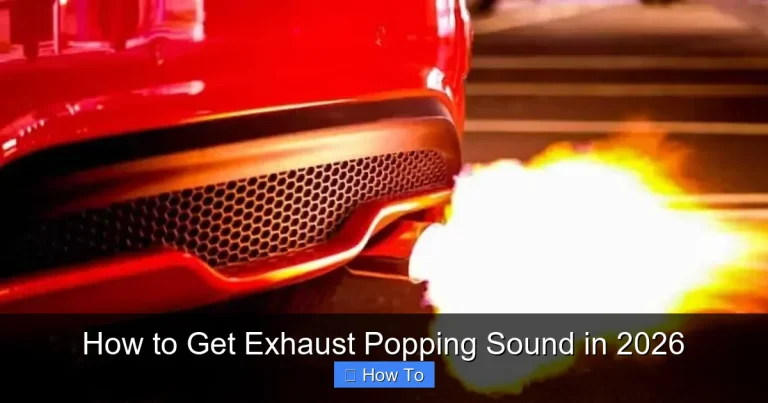
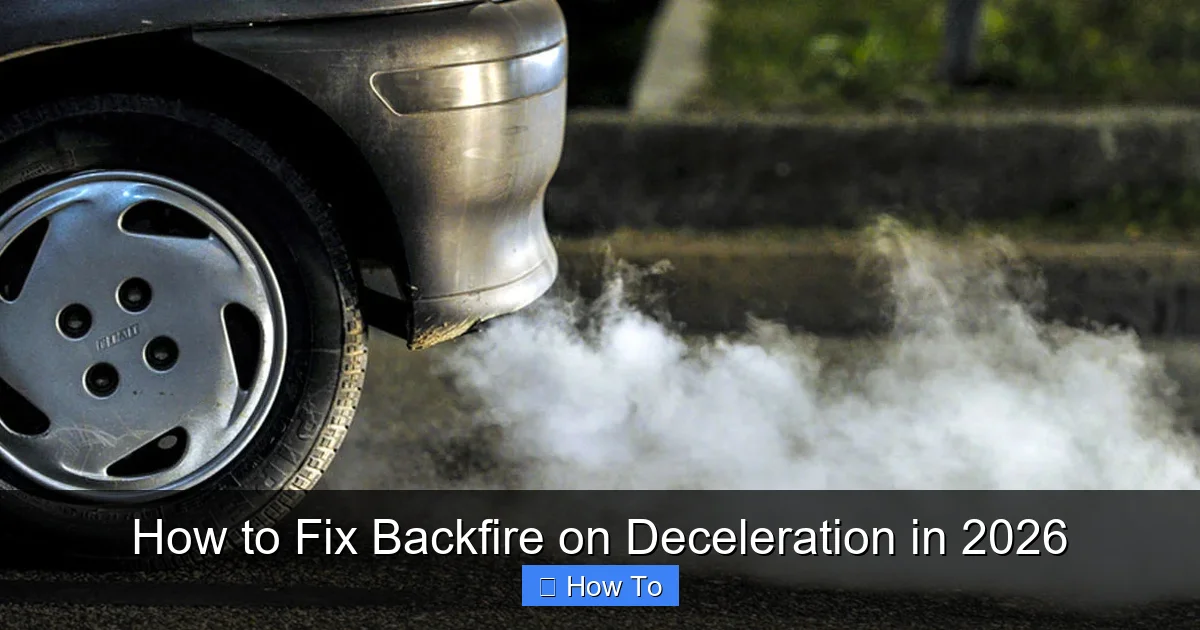
Backfiring during deceleration happens when unburned fuel ignites in the exhaust system instead of the combustion chamber. This usually occurs due to a lean air-fuel mixture, meaning there’s too much air and not enough fuel. When you close the throttle suddenly, the engine sucks in extra air without a corresponding fuel increase. That excess air mixes with leftover fuel in the exhaust and ignites with a loud pop.
Visual guide about How to Fix Backfire on Deceleration in 2026
Image source: d2hucwwplm5rxi.cloudfront.net
Common Causes in 2026 Motorcycles
- Lean fuel mixture: Caused by clogged injectors, low fuel pressure, or incorrect ECU mapping.
- Faulty oxygen (O2) sensors: These monitor exhaust gases and adjust fuel delivery. A bad sensor can misreport data, leading to lean conditions.
- Exhaust leaks: Cracks or loose joints in the header or muffler allow air to enter the exhaust, creating a lean mix that ignites.
- Worn spark plugs: Weak ignition can leave unburned fuel in the cylinder, which then burns in the exhaust.
- Aftermarket modifications: Installing a new exhaust or air filter without re-tuning the ECU often causes backfiring.
Step-by-Step Guide to Fixing Deceleration Backfire
Step 1: Perform a Visual Inspection
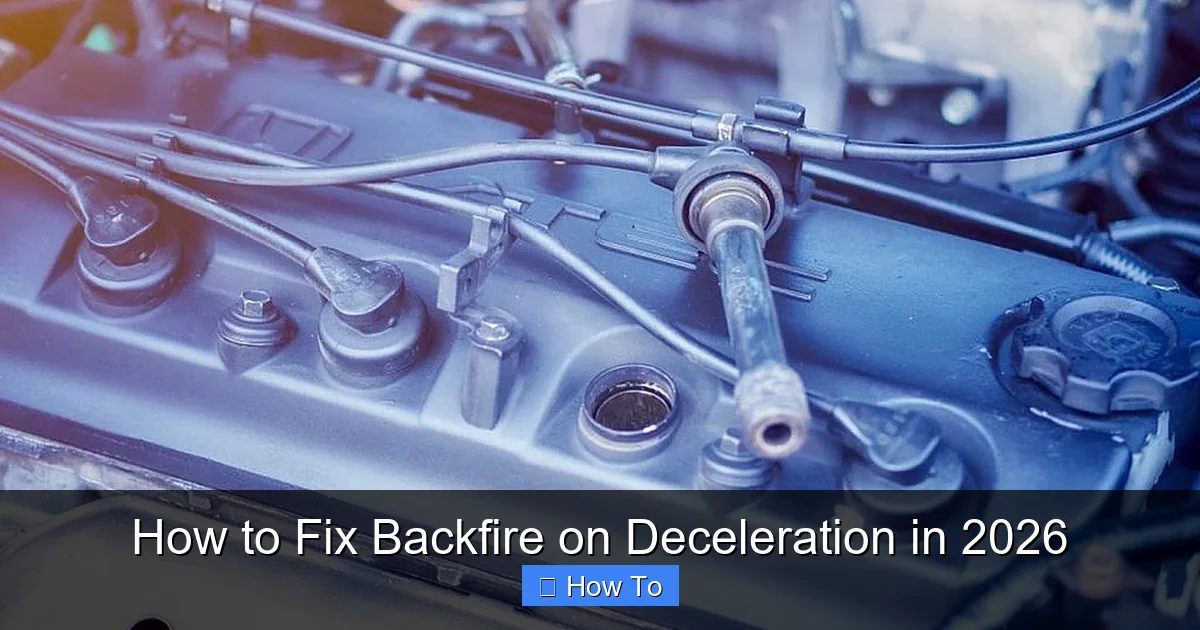
Start with the basics. Turn off the bike and let it cool. Look for obvious signs of damage:
Visual guide about How to Fix Backfire on Deceleration in 2026
Image source: d2hucwwplm5rxi.cloudfront.net
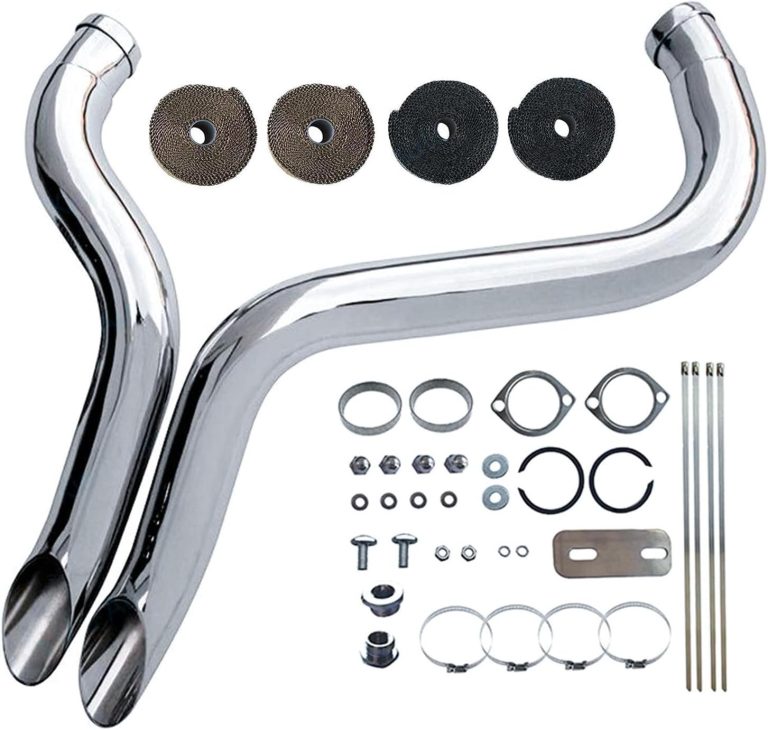
- Check the exhaust system for cracks, rust, or loose clamps.
- Inspect the air filter—if it’s dirty or clogged, it can disrupt airflow.
- Look for disconnected vacuum lines or loose wiring near the throttle body.
Pro tip: Use a flashlight and mirror to check hard-to-see areas like under the engine or behind the headers.
Step 2: Use an OBD-II Scanner
Most motorcycles in 2026 come with onboard diagnostics. Plug in an OBD-II scanner (available at auto parts stores or online) to read trouble codes. Look for codes related to:
- O2 sensor malfunction (e.g., P0130, P0135)
- Lean fuel mixture (e.g., P0171)
- Mass airflow (MAF) sensor issues
If you get a code, research it or consult your service manual. Even if no codes appear, live data can show if the fuel trims are running lean at idle or deceleration.
Step 3: Check and Clean Fuel Injectors
Dirty injectors can’t deliver the right amount of fuel, leading to lean conditions. Here’s how to clean them:
- Remove the fuel rail (consult your manual for specifics).
- Use a fuel injector cleaner kit or ultrasonic cleaner for best results.
- Reinstall and test ride. If the problem persists, consider professional cleaning or replacement.
For a quick fix, add a high-quality fuel injector cleaner to your gas tank. Run a full tank through to see if it helps. Learn more about how much fuel injector cleaner to use for optimal results.
Step 4: Inspect the Oxygen Sensor
The O2 sensor plays a key role in maintaining the correct air-fuel ratio. A faulty sensor can cause the ECU to inject too little fuel.
- Locate the sensor (usually in the exhaust header).
- Check for soot, oil, or damage.
- Test resistance with a multimeter (refer to your manual for specs).
- Replace if readings are out of range.
In 2026, many bikes use wideband O2 sensors for better accuracy. Replacing a bad one can instantly reduce backfiring.
Step 5: Adjust Idle and Fuel Mixture
If your bike has adjustable settings, fine-tuning can make a big difference. For fuel-injected models:
- Use a diagnostic tool to access idle speed and fuel trim settings.
- Increase idle slightly (e.g., from 1,000 to 1,200 RPM) to reduce vacuum spikes.
- Adjust short-term and long-term fuel trims to correct lean conditions.
For carbureted bikes, adjust the pilot screw or use a jet kit. If you’re unsure, consult a mechanic or refer to a guide like how to adjust idle on fuel-injected Harley Davidson.
Step 6: Check for Exhaust Leaks
Even small leaks can cause backfiring. To find them:
- Start the bike and listen for hissing near joints.
- Use soapy water—apply it to connections and watch for bubbles.
- Tighten clamps or replace gaskets as needed.
Leaks near the cylinder head are especially problematic because they introduce fresh air into hot exhaust gases.
Step 7: Consider a Fuel Management Tuner
If you’ve made modifications (like a new exhaust or air intake), your ECU may not be delivering the right fuel map. In 2026, tuners like Power Commander, Dynojet, or OEM flash tools allow precise adjustments.
- Install the tuner and connect it to your laptop or smartphone.
- Load a base map for your bike and modifications.
- Fine-tune fuel delivery in the deceleration and closed-throttle zones.
This is one of the most effective ways to eliminate backfire on modern bikes.
Troubleshooting Tips
- If backfiring persists after cleaning injectors: Check fuel pressure with a gauge. Low pressure can indicate a weak pump or clogged filter.
- If the bike runs rough at idle: It might be a vacuum leak. Spray carb cleaner around intake boots—if the idle changes, you’ve found a leak.
- If you recently changed the air filter: Ensure it’s the correct type and properly seated. A high-flow filter without a tune can cause lean conditions.
Prevention and Maintenance
The best way to avoid backfiring is regular maintenance. In 2026, many riders use apps to track service intervals. Here’s what to do:
- Replace spark plugs every 8,000–10,000 miles.
- Clean or replace the air filter every 5,000 miles.
- Use high-quality fuel and additives periodically.
- Inspect the exhaust system annually for leaks or damage.
Also, avoid sudden throttle closures when possible. Smooth riding reduces stress on the engine and exhaust.
Conclusion
Fixing backfire on deceleration in 2026 is easier than ever thanks to advanced diagnostics and tuning tools. Start with a visual inspection, use an OBD-II scanner to identify issues, and clean or replace key components like injectors and O2 sensors. Adjust your idle and fuel mixture, check for leaks, and consider a fuel tuner if you’ve modified your bike. With these steps, you’ll enjoy a quieter, smoother ride and extend the life of your motorcycle. Remember, prevention is key—regular maintenance keeps problems like backfiring at bay. If you’re ever unsure, consult a professional or refer to detailed guides like why does my motorcycle backfire for deeper insights.