Klein Vs Fluke Multimeter: Ultimate Comparison for 2026

Choosing the right multimeter can save you time, money, and frustration. If you’re deciding between Klein and Fluke multimeters, you’re probably wondering which one fits your needs best.
Both brands have solid reputations, but they offer different features, accuracy levels, and price points. By the time you finish this article, you’ll know exactly which multimeter matches your skills, projects, and budget. Keep reading to make a confident choice that works perfectly for you.
Klein Multimeter Features
The Klein multimeter is a popular choice among electricians and DIY enthusiasts. It offers many features that make measuring electrical values easier and safer. Comparing Klein with Fluke multimeters shows how Klein focuses on durability and user-friendly design. This section covers the key features of Klein multimeters, highlighting their design, measurement abilities, user interface, and safety ratings.
Design And Build Quality
Klein multimeters are built to last. They use strong materials that resist drops and rough handling. The design is compact and fits well in your hand, making it easy to carry around on job sites.
- Durable outer casing: Made from impact-resistant plastic to protect internal components.
- Rubberized grips: Provide a secure hold, even with gloves or in wet conditions.
- Compact size: Lightweight and easy to store in tool bags or pockets.
- Stand and hooks: Some models include a fold-out stand and magnetic hooks for hands-free use.
The buttons and dial are designed for easy use. They offer tactile feedback, so you know when a setting is selected. Klein multimeters also often have a protective holster that adds extra shock resistance.
| Feature | Description | Benefit |
|---|---|---|
| Impact-resistant casing | Plastic with rubber overlays | Protects against drops and shocks |
| Ergonomic design | Fits comfortably in hand | Reduces hand fatigue during use |
| Portable size | Compact and lightweight | Easy to carry and store |
Measurement Capabilities
Klein multimeters offer a wide range of measurement options. They handle most electrical tasks for professionals and hobbyists. The accuracy is reliable for common troubleshooting and testing jobs.
- Voltage measurement: Measures AC and DC voltage up to several hundred volts.
- Current measurement: Measures both AC and DC current in various ranges.
- Resistance: Measures resistance to check circuit continuity and component health.
- Capacitance and frequency: Some models include testing for capacitors and frequency readings.
- Temperature: Certain Klein meters offer temperature probes for HVAC and other uses.
The multimeters usually feature auto-ranging for easier use. This means the meter selects the correct measurement range automatically. Users can also switch to manual range if needed.
Klein devices often include a data hold function to freeze readings on the display. This helps users note values without rushing.
| Measurement | Range | Typical Accuracy |
|---|---|---|
| AC/DC Voltage | 0 to 600V | ±1% to ±2% |
| Current (AC/DC) | 0 to 10A | ±1.5% |
| Resistance | 0 to 40MΩ | ±1.5% |
User Interface And Display
Klein multimeters have simple, easy-to-read displays. The screens use clear digits and symbols. This reduces mistakes and helps users focus on their tasks.
- Backlit display: Helps in low light or dark environments.
- Large digits: Make reading values fast and easy.
- Icons and indicators: Show measurement type, range, and battery status clearly.
- Rotary dial: Easy to turn with distinct stops for each setting.
The interface uses few buttons to reduce confusion. Users can quickly change modes or hold readings with a single press. Some models also include audible alerts for continuity tests.
Klein multimeters balance simplicity with functionality. This design helps beginners and experts use the tool without hassle.
Safety Ratings
Safety is a top priority in Klein multimeters. They meet strict industry standards to protect users during electrical testing. This makes them suitable for professional use.
- CAT III or CAT IV ratings: Protect against high energy spikes in industrial and residential environments.
- Overvoltage protection: Prevents damage to the meter and reduces risk of electric shock.
- Fuse protection: Internal fuses protect against current overloads.
- Double insulation: Adds an extra layer of safety for the user.
Klein multimeters are tested to meet international standards like IEC 61010. This ensures they work safely under normal and fault conditions. Clear warnings and instructions come with each device to promote safe use.
These safety features make Klein multimeters a trusted choice on job sites.

Credit: www.reddit.com
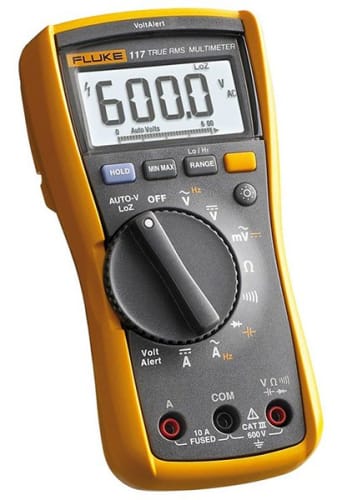
Fluke Multimeter Features
The Fluke multimeter stands out for its strong features and reliable performance. It offers several advantages that make it a popular choice among professionals and hobbyists alike. This section highlights the key features of the Fluke multimeter to help you understand its value better. From design to safety, these features cover what matters most in a quality multimeter.
Design And Build Quality
The Fluke multimeter is known for its durable and rugged design. It is built to endure tough working conditions, which suits electricians and technicians in the field.
- Material: High-impact plastic housing protects internal components.
- Size: Compact and lightweight, making it easy to carry.
- Grip: Rubber overmold provides a secure, non-slip grip.
- Protection: Some models include a built-in stand and protective holster.
The design focuses on ergonomics, allowing users to handle it comfortably for extended periods. Buttons and dials are well placed, so adjustments are quick and easy. The device also resists dust and water to a certain degree, meeting industry standards for durability.
| Feature | Description |
|---|---|
| Shock Resistance | Withstands drops from up to 1 meter |
| Weight | Typically under 1 lb (450 g) |
| Size | Compact, fits in standard tool bags |
Measurement Capabilities
Fluke multimeters offer a wide range of measurement functions, making them versatile tools for many tasks.
They measure:
- Voltage (AC and DC)
- Current (AC and DC)
- Resistance
- Capacitance
- Frequency
- Temperature (in some models)
The accuracy is high, with many models offering true RMS readings for better precision. This improves the reliability of results, especially in complex electrical systems.
Some Fluke multimeters also include:
- Data logging to record measurements over time
- Auto-ranging to simplify usage
- Min/max recording to capture signal variations
These features help users analyze electrical problems efficiently. The wide measurement range adapts to various tasks, from simple home repairs to industrial maintenance.
User Interface And Display
The Fluke multimeter has a user-friendly interface designed for clarity and ease of use.
- Large digital display: Shows clear numbers with backlight for low-light conditions.
- Buttons and dial: Intuitive layout reduces the learning curve.
- Icons and symbols: Help identify measurement modes quickly.
The display often includes a bar graph to show trends or signal strength. This visual aid makes it easier to spot fluctuations in readings. Some models feature multi-line displays, allowing users to see multiple values at once.
Menus are simple, with step-by-step options for advanced functions. This makes it accessible for beginners while still meeting the needs of professionals.
| Interface Feature | Benefit |
|---|---|
| Backlit Display | Improves visibility in dark environments |
| Rotary Switch | Quick selection of measurement modes |
| Audible Alerts | Notifies about continuity or errors |
Safety Ratings
Safety is a top priority in Fluke multimeters. They meet strict international standards to protect users from electrical hazards.
Common safety ratings include:
- CAT III and CAT IV: Suitable for industrial and high-energy environments
- Overvoltage protection: Guards against voltage spikes
- Fuse protection: Prevents damage during overload
These ratings ensure the multimeter can handle high voltages safely. The devices undergo rigorous testing to confirm compliance.
Insulated probes and sturdy casing further reduce risks. Users can trust Fluke multimeters to maintain safety even under challenging electrical conditions.
| Safety Feature | Purpose |
|---|---|
| CAT IV 600V Rating | Safe for service entrance and outdoor circuits |
| Double Insulation | Prevents electric shocks to the user |
| High-Quality Fuses | Protects internal circuits from damage |
Performance Comparison
Comparing the performance of Klein and Fluke multimeters helps choose the right tool. Both brands are popular among electricians and technicians. Their multimeters offer various features, but performance varies. This section looks at key aspects like accuracy, durability, battery life, and response time. Understanding these can guide users to pick a device that fits their needs and work environment.
Accuracy And Precision
Accuracy shows how close a multimeter’s reading is to the true value. Precision means the device can repeat the same reading under the same conditions. Both are critical for reliable measurements.
Fluke multimeters generally provide higher accuracy, often within ±0.05% for voltage measurements. This makes them ideal for detailed work where exact values matter. Klein multimeters offer good accuracy but usually within ±0.5% to ±1%. This level suits general electrical tasks and troubleshooting.
Here is a quick comparison table:
| Feature | Klein Multimeter | Fluke Multimeter |
|---|---|---|
| Voltage Accuracy | ±0.5% to ±1% | ±0.05% to ±0.1% |
| Current Accuracy | ±1% to ±1.5% | ±0.2% to ±0.5% |
| Repeatability | Good | Excellent |
Fluke devices excel in precision, making them reliable for complex electronics. Klein models work well for everyday tasks and basic electrical testing. Both brands use advanced sensors, but Fluke’s calibration process is more rigorous. This ensures better consistency over time.
Durability And Reliability
Durability means the multimeter can withstand rough conditions. Reliability means it performs consistently without failure.
Klein multimeters are built tough, often with rugged cases and protective rubber guards. They handle drops and shocks well. Users report long-term reliability in fieldwork environments.
Fluke multimeters are also very durable. They often meet strict industrial standards like IP67 for water and dust resistance. Their build quality supports use in harsh environments such as construction sites and factories.
- Klein: Shock-resistant, impact-absorbing design, good grip.
- Fluke: High-grade casing, water/dust proof, drop-tested up to 3 meters.
Both brands offer models with CAT safety ratings for electrical hazard protection. Fluke tends to have a slight edge in extreme durability and long-term reliability, making them a top choice for heavy-duty users. Klein balances durability with affordability, perfect for moderate use.
Battery Life
Battery life affects how long a multimeter can work without changing or charging batteries. This is crucial for work in remote locations or long shifts.
Klein multimeters often use AA or AAA batteries. They provide around 200 to 400 hours of typical use. Battery replacement is simple and low cost.
Fluke multimeters mostly use lithium-ion or rechargeable batteries. Their devices can last 400 to 1000 hours depending on the model. Rechargeable options reduce waste and are convenient for frequent use.
| Brand | Battery Type | Average Battery Life | Special Features |
|---|---|---|---|
| Klein | AA or AAA | 200-400 hours | Easy replacement, low cost |
| Fluke | Lithium-ion / Rechargeable | 400-1000 hours | Rechargeable, power-saving modes |
Fluke models include power-saving features to extend battery life. Klein’s simpler design means fewer power-saving options but easier battery swaps. Battery life depends on usage type and features activated.
Response Time
Response time is how quickly a multimeter shows a measurement after input. Faster response saves time and improves workflow.
Fluke multimeters offer fast response times, often under 1 second. This speed helps professionals check circuits rapidly without delays.
Klein multimeters have slightly slower response times, usually between 1 to 2 seconds. This is acceptable for most routine tasks but may feel slower in fast-paced jobs.
- Fluke: Typically 0.5 to 1 second response time.
- Klein: Usually around 1 to 2 seconds.
- Both brands provide stable readings after initial measurement.
Fast response is key in troubleshooting complex electrical systems. Fluke’s speed advantage supports this. Klein balances speed with cost, suitable for users not needing instant readings.
Price And Value
Choosing between Klein and Fluke multimeters often comes down to price and value. Both brands offer reliable electrical testing tools, but their costs and features vary. Understanding the multimeter price difference helps buyers find the best fit for their needs. These brands serve different user groups, from hobbyists to professionals in industrial multimeter usage. This section breaks down the costs, warranty, and long-term value of Klein versus Fluke multimeters.
Cost Differences
The multimeter price difference between Klein and Fluke can be significant. Fluke multimeters usually come with a higher price tag due to advanced features and industrial-grade durability. Klein models tend to be more affordable, making them popular for general household use and beginner electricians.
Here is a quick comparison of the average prices:
| Brand | Entry-Level Model Price | Mid-Range Model Price | High-End Model Price |
|---|---|---|---|
| Klein Multimeter | $40 – $60 | $70 – $120 | $150 – $200 |
| Fluke Multimeter | $100 – $150 | $200 – $350 | $400 – $600+ |
Klein multimeter features cover most basic electrical testing tools. Fluke multimeters offer advanced diagnostics, better accuracy, and more safety ratings. The choice depends on the required precision and budget.
- Klein suits DIY and light professional work.
- Fluke fits industrial and heavy-duty electrical testing.
Warranty And Support
Warranty and customer support vary between these professional multimeter brands. Fluke provides industry-leading multimeter warranty coverage, often with a 3 to 5-year warranty. Klein usually offers 1 to 3 years, depending on the model.
Warranty details matter for long-term use, especially in industrial environments:
- Fluke warranties cover defects and some accidental damage.
- Klein warranties focus on manufacturing defects only.
- Fluke offers extensive customer support and service centers worldwide.
- Klein support is more limited but sufficient for basic issues.
Strong warranty and support increase confidence in the tool. Fluke’s reputation for fast repairs and replacements adds value to its higher price. Klein’s warranty suits users with less frequent or less demanding electrical testing needs.
Long-term Investment
Considering long-term multimeter reliability helps in deciding the best value. Fluke multimeters tend to last longer under tough conditions. Their durability and precision make them a smart choice for professionals using tools daily.
Key points about long-term investment:
- Fluke’s robust build reduces repair costs and downtime.
- Klein multimeters provide good value for occasional or home use.
- Frequent industrial multimeter usage benefits from Fluke’s extended lifespan.
Users weighing initial cost against potential replacement or repair expenses find Fluke offers better returns over time. Klein saves money upfront but may require replacement sooner.
Both brands have strengths. The final choice depends on your needs, budget, and how often you use your digital multimeter. This digital multimeter comparison helps match the right tool to the user’s specific electrical testing tasks.
Best Use Cases
The Klein vs Fluke multimeter debate centers on choosing the best tool for various tasks. Both brands offer excellent handheld multmeter features, but their strengths differ. Understanding the best use cases helps users pick the right device. Factors like multimeter durability, voltage measurement accuracy, and battery life performance play key roles. This section breaks down how these meters fit into professional applications, DIY and hobbyist use, and specific industry needs.
Professional Applications
Professionals need tools that deliver high calibration and precision. Fluke multimeters often lead in this area, known for reliable voltage measurement accuracy and sturdy build quality. Their brand reliability reviews highlight consistent performance under tough conditions. Klein meters also offer solid electrical testing tools but focus more on affordability and ease of use.
In professional settings, features like clamp meter capabilities and user interface design matter a lot. Fluke’s meters usually provide advanced clamp meters, making it easier to measure current without disconnecting wires. Their user interface is designed for quick reading and minimal errors.
| Feature | Fluke | Klein |
|---|---|---|
| Calibration and Precision | High accuracy, lab-certified | Good accuracy, less certification |
| Multimeter Durability | Military-grade ruggedness | Durable for standard use |
| Clamp Meter Capabilities | Advanced and precise | Basic to mid-level |
| User Interface Design | Intuitive, clear display | Simple and straightforward |
Professionals benefit most from Fluke’s precision and durability. Klein suits those needing reliable tools on a budget.
Diy And Hobbyist Use
DIY users and hobbyists prioritize ease of use and cost-effectiveness. Klein multimeters shine here with simple user interface design and solid battery life performance. They offer enough features for common tasks like voltage checks, continuity tests, and resistance measurements.
Fluke models work well too but may be more complex and expensive than needed for casual users. Battery life is good, but some models focus on advanced features that hobbyists rarely use.
- Handheld multimeter features in Klein devices include auto-ranging and clear displays.
- Voltage measurement accuracy is sufficient for home projects.
- Multimeter durability supports occasional drops and rough handling.
DIY users value lightweight designs and easy-to-read screens. Both brands offer digital multimeter comparison charts online, helping users find tools matching their skill level.
Industry Specific Needs
Different industries demand special features from multimeters. Electrical contractors, HVAC technicians, and automotive mechanics have unique requirements. Fluke often leads in industry-specific models with advanced clamp meter capabilities and enhanced calibration and precision.
Klein serves industries needing reliable but affordable electrical testing tools. Their meters work well in construction and basic electrical maintenance where extreme accuracy is not critical.
| Industry | Preferred Brand | Key Features Needed |
|---|---|---|
| Electrical Contracting | Fluke | High calibration, clamp meters, durability |
| HVAC | Fluke | Temperature functions, precise voltage measurement |
| Automotive | Klein | Basic voltage and continuity tests, user-friendly |
| Construction | Klein | Durability, battery life, simple interface |
Choosing the right meter depends on matching device features to industry tasks. Fluke suits high-precision needs, while Klein fits routine electrical work with good brand reliability reviews.

Credit: www.youtube.com
User Reviews And Feedback
User reviews and feedback provide valuable insight into the performance and reliability of Klein and Fluke multimeters. These tools serve electricians, technicians, and DIY enthusiasts worldwide. Reading real user experiences helps understand how each brand performs in daily tasks. It also highlights strengths and weaknesses not always clear from product specs.
Common Praise
Users often praise both Klein and Fluke multimeters for their accuracy and durability. These brands are known for producing reliable tools that last long under tough conditions. Many users highlight the clear display and easy-to-use interface, which make measurements simple and fast.
Key points of praise include:
- High Accuracy: Both brands provide precise readings, essential for electrical work.
- Build Quality: Sturdy design protects the device from drops and rough handling.
- User-Friendly: Intuitive controls and clear screens reduce errors and save time.
- Safety Features: Many models include overload protection and insulated probes.
Here is a simple comparison table showing the most praised features:
| Feature | Klein Multimeter | Fluke Multimeter |
|---|---|---|
| Accuracy | Very good for general use | Exceptional, preferred by professionals |
| Durability | Strong and rugged | Highly durable, military-grade |
| Ease of Use | Simple and clear | Advanced but user-friendly |
| Safety | Standard safety features | Top-level safety standards |
Frequent Complaints
Despite many positive comments, some users report issues with both Klein and Fluke multimeters. Complaints mostly focus on price, battery life, and occasional complexity. Users expect the tools to perform well but note some drawbacks.
Common complaints include:
- High Cost: Fluke models tend to be expensive for hobbyists.
- Battery Life: Some users find battery life shorter than expected.
- Complex Features: Advanced functions can be confusing for beginners.
- Weight and Size: A few users say the devices feel bulky for handheld use.
Specific issues by brand:
- Klein: Some models lack certain advanced functions found in competitors.
- Fluke: Price may limit access for casual or infrequent users.
Overall Satisfaction
Overall, user satisfaction remains high for both brands. Klein multimeters attract budget-conscious buyers who want solid performance. Fluke multimeters satisfy professionals needing precise, reliable tools.
Surveyed users report:
- Klein: Good value, dependable, easy for most tasks.
- Fluke: Premium quality, trusted for critical jobs, worth the price.
Users appreciate the support and warranty services offered by both brands. Customer service responsiveness also affects satisfaction positively.
Summary table of user satisfaction levels:
| Aspect | Klein Multimeter | Fluke Multimeter |
|---|---|---|
| Value for Money | High | Moderate |
| Ease of Use | Very Good | Good |
| Reliability | Good | Excellent |
| Customer Support | Good | Excellent |
Credit: www.tequipment.net
Frequently Asked Questions
What Are The Main Differences Between Klein And Fluke Multimeters?
Klein multimeters are budget-friendly with basic features. Fluke offers advanced functions and higher accuracy. Fluke models suit professionals needing reliable, durable tools. Klein is ideal for DIYers and light electrical tasks.
Which Multimeter Brand Is More Accurate, Klein Or Fluke?
Fluke multimeters generally provide higher accuracy and better calibration. Klein meters are accurate for casual use but less precise for critical measurements. Choose Fluke for demanding, professional electrical testing.
Are Klein Multimeters Suitable For Professional Electricians?
Klein multimeters are suitable for light electrical work and DIY projects. However, professionals prefer Fluke for its durability and advanced features. Klein is a cost-effective choice but may lack some professional-grade options.
How Does The Price Of Klein Compare To Fluke Multimeters?
Klein multimeters are more affordable, ideal for budget-conscious users. Fluke multimeters are pricier due to advanced technology and reliability. Investing in Fluke is beneficial for long-term, heavy-duty use.
Conclusion
Choosing between Klein and Fluke depends on your specific needs. Klein offers solid features at a lower price. Fluke provides higher accuracy and durability. Both brands have easy-to-use designs for beginners. Think about what features matter most to you. Consider your budget and how often you will use the meter.
Both multimeters perform well in basic and advanced tasks. Either choice can help you complete your electrical work safely. Take time to review their pros and cons carefully. Your right pick will make measuring easier and more reliable.